Open the door of a new car today. Tap the dashboard. Grab the door handle. Listen to the sound it makes when it closes. Something feels off, doesn't it? I've driven everything from budget hatchbacks to six-figure luxury SUVs over the past decade, and the pattern is unmistakable.
Modern interiors look stunning in photos. In person, they often feel hollow. The plastics are harder. The switches lack weight. The screens dominate while the materials behind them cut corners. This isn't nostalgia talking.
It's a real shift in how cars get built. And it connects directly to why so many least reliable modern cars share the same weak spots: cheap materials, buggy software, and cost-cutting that hides behind flashy technology.
The Screen Trap: Why Big Displays Replaced Quality Materials?
The Illusion of "Tech"
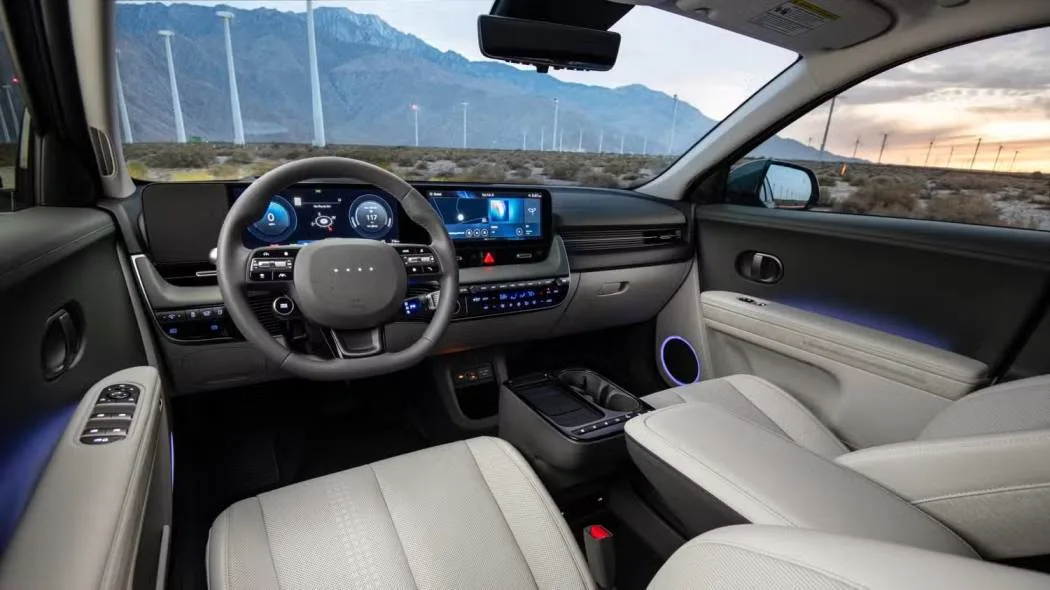
A massive touchscreen costs less than a well-molded dashboard. That's the uncomfortable truth. Automakers discovered they could replace physical buttons, premium textures, and soft-touch surfaces with a single glass panel. The screen looks expensive. The plastic surrounding it does not.
Read Also: CaN YoU Disable MaNdaTory Car SaFeTy WarNings? The Truth About Speed Alerts
I sat in a 2016 Mercedes E-Class years ago and remember running my hand along the center console. Real metal trim. Dampened buttons. A weight to everything. Then I sat in the latest generation.
One long screen stretched across the dash. The buttons were gone. The climate controls lived inside menus. The trim felt lighter, flimsier. The car cost more. The interior felt cheaper. That's not progress. That's a magic trick.
Where the Money Actually Goes?
Automakers now spend more on software development than on interior materials. That shift explains why infotainment glitches dominate reliability complaints. J.D.
Power's 2026 study found infotainment systems were the most problematic category by a wide margin, and overall problems rose from 2025 levels partly due to "rising complexity of vehicle software systems".
The screens got bigger. The bugs got worse. The materials got cheaper. That's the trade-off nobody asked for.
The Brands Cutting the Most Corners
Volkswagen: The Poster Child
Volkswagen ranks as the least dependable brand in J.D. Power's 2026 study, with 301 problems per 100 vehicles against an industry average of 204.
The Volkswagen Tiguan was named the least reliable car up to five years old in a What Car? survey of nearly 40,000 owners, scoring just 55.3%.
Seventy-five percent of Tiguan owners reported problems. The culprits: 12-volt batteries, bodywork, brakes, engine electrics, and infotainment.
I've driven a recent Tiguan. The interior looks sharp at first glance. Then you touch the door panels. Hard plastic where soft-touch material used to live.
The capacitive touch controls on the steering wheel are a nightmare. They trigger accidentally. They give no feedback. This is what cost-cutting looks like when it's dressed up as innovation.
Audi's Quiet Admission
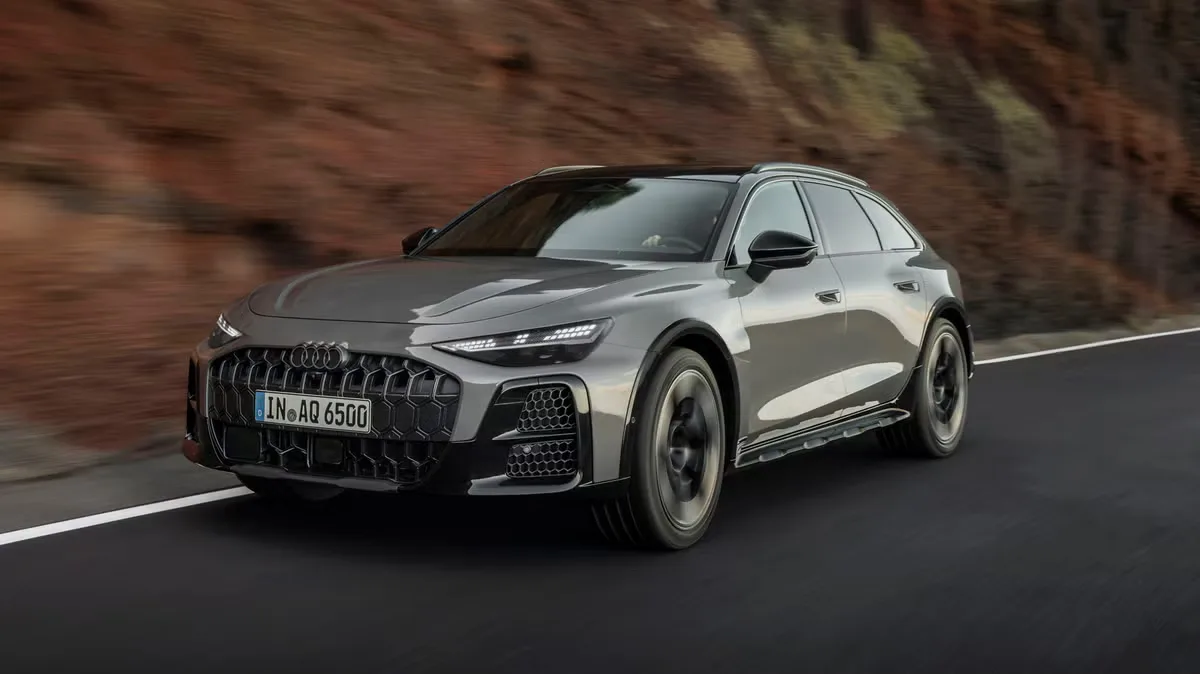
Audi's own product communication head, Oscar da Silva Martins, admitted something rare in this industry. He said the brand's material quality "was certainly better in the past" and that cost reductions were made "in the wrong places".
You Must Also Like: Affordable Cars vs Expensive Cars: A Comprehensive Guide
That's a stunning admission. Audi built its reputation on interiors that felt like bank vaults. Now, hard plastics appear on door panels and dashboards where they were once forbidden. Brushed aluminum trim got replaced by plastic pretending to be metal.
The 2026 Consumer Reports rankings place Audi at 13th out of 20 brands, with a score of 44 out of 100. The Q4 E-Tron dragged the brand down. The reliable A4 that once anchored Audi's reputation got discontinued.
The Stellantis Problem
Jeep sits dead last in Consumer Reports' 2026 brand rankings . Dodge, Ram, and Jeep—all Stellantis brands—clutter the bottom tier. These aren't just reliability problems. They're quality perception problems.
Sit in a new Jeep Grand Cherokee and then sit in a 2015 model. The older one feels more substantial. The newer one feels like it's trying harder to look premium while spending less to actually be premium.
Why This Happened: The Real Reasons?
The Pandemic Hangover
The chip shortage didn't just delay deliveries. It changed how automakers think about supply chains. When you can't get the part you designed, you substitute something cheaper.
When the crisis passes, you keep the cheaper part because the margins look better. That pattern repeated across the industry.
The EV Transition Squeeze
Developing electric platforms costs billions. That money has to come from somewhere. Interior quality is one of the easiest places to cut because buyers notice screens and screenshots, not the grain of the plastic on the lower door panel.
The cars that suffer most are the ones stuck between old platforms and new electric ambitions. Brands like Volkswagen and Audi are pouring resources into EVs while their combustion models get the leftovers.
The Death of Physical Buttons
Removing buttons saves money. One screen replaces dozens of switches, knobs, and the wiring behind them. But it also makes cars worse to use. Adjusting the climate in a new Golf requires tapping through menus.
In a 2015 Golf, you turned a dial. That dial cost more to make. It also worked better. The industry chose cheap over good. Then it marketed the result as "modern."
Least Reliable Car Brands 2026: What the Data Shows?
The 2026 reliability data paints a clear picture. Consumer Reports' bottom five brands are Jeep, Land Rover, GMC, Dodge, and Rivian . J.D. Power's least dependable brands include Volkswagen, Volvo, Land Rover, Jeep, and Audi.
The overlap is telling. These are brands known for either cutting interior costs aggressively or struggling with the software that replaced those costs.
| Source | Bottom Brands | Key Issue |
|---|---|---|
| Consumer Reports 2026 | Jeep, Land Rover, GMC, Dodge, Rivian | Reliability, satisfaction, road test scores |
| J.D. Power 2026 Dependability | Volkswagen, Volvo, Land Rover, Jeep, Audi | Infotainment, exterior, software bugs |
| What Car? 2026 | Volkswagen Tiguan, Renault Arkana, Mercedes GLE | Electrical faults, gearbox issues |
Volkswagen's dual appearance across studies matters. It's not one survey having a bad year. It's a pattern. The Tiguan's problems include bodywork and brakes alongside infotainment.
Those aren't software bugs. Those are physical build quality issues. The cheap feeling isn't just perception. It's measurable.
What You Can Do About It?
Touch Before You Buy
Ignore the brochure photos. Sit in the car. Run your hand along the top of the door panel. Press the turn signal stalk. Open and close the glovebox. Does it feel damped or hollow? Does the plastic flex under your thumb? These small tests reveal more than any spec sheet.
Check the Survey Data
Consumer Reports and J.D. Power aren't perfect. But they aggregate thousands of owner experiences. If a brand consistently ranks near the bottom, that's not random. Volkswagen's 301 problems per 100 vehicles isn't a fluke . It's a signal.
Avoid First-Year Redesigns
The worst interiors and the worst reliability often arrive with a brand-new generation. The 2026 Tiguan's problems follow a full redesign. The Mazda CX-70 and CX-90's issues stem from new platforms.
Waiting one or two model years lets the automaker fix the worst bugs and sometimes restore materials they cut initially.
Look at the Aging Models
Some older designs still on sale offer better interiors than their replacements. The previous-generation Mazda CX-5, for example, avoided the complex hybrid systems that dragged down the CX-90's scores.
A well-kept older model from a reliable brand often beats a brand-new model from a struggling one.
The Final Thoughts
Modern cars feel cheap because they often are cheaper to build. Automakers replaced buttons with screens, soft plastics with hard ones, and proven mechanical controls with buggy software.
Some brands admit it. Audi's own executive said the quiet part out loud . Others hide behind marketing language about "minimalism" and "digital experiences."
The least reliable modern cars aren't just unreliable. They're the clearest examples of this trade-off. Volkswagen, Jeep, Land Rover, and their peers cut corners where buyers touch and feel. Then they spent the savings on screens that frustrate owners and surveys that expose the truth.
Not every brand followed this path. Toyota, Subaru, and Lexus still prioritize build quality over gimmicks . Their interiors may not look like spaceships. But the door closes with a solid thunk. The buttons work. The materials hold up. That's not nostalgia. That's just good engineering.
Before you buy, touch everything. Ask what got cut. Check the surveys. The car that looks premium in photos might feel like a rental in person. Your hands will tell you the truth faster than any advertisement.