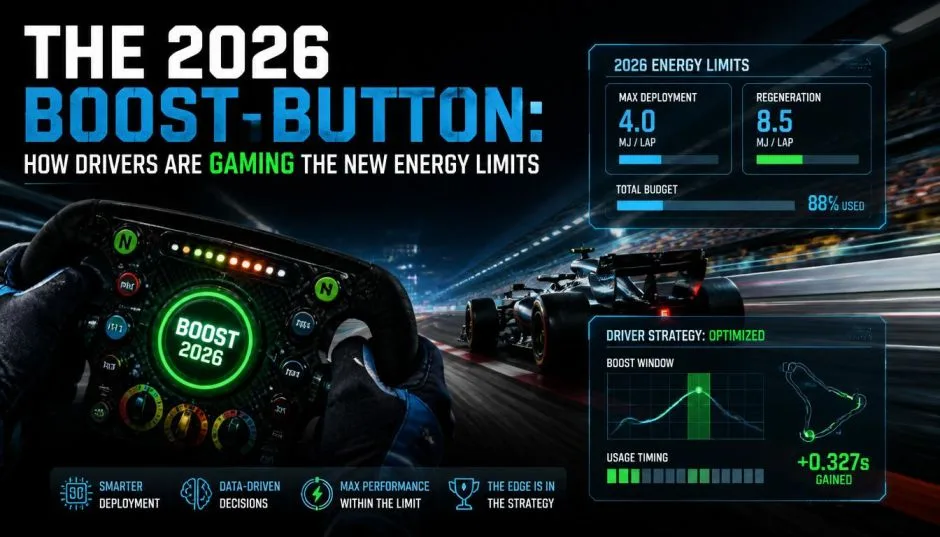
I watched qualifying for the Australian Grand Prix this year. Something felt wrong. Drivers were lifting off the throttle on straights. Coasting through corners. Saving energy instead of pushing flat out.
Max Verstappen was furious. He said he would quit F1 if the rules did not change. Fernando Alonso called fast corners "charging stations for the car." The new 2026 regulations created this mess. And the drivers are finding ways to game the system.
Here is what is actually happening on track.
The Engine Rules That Changed Everything
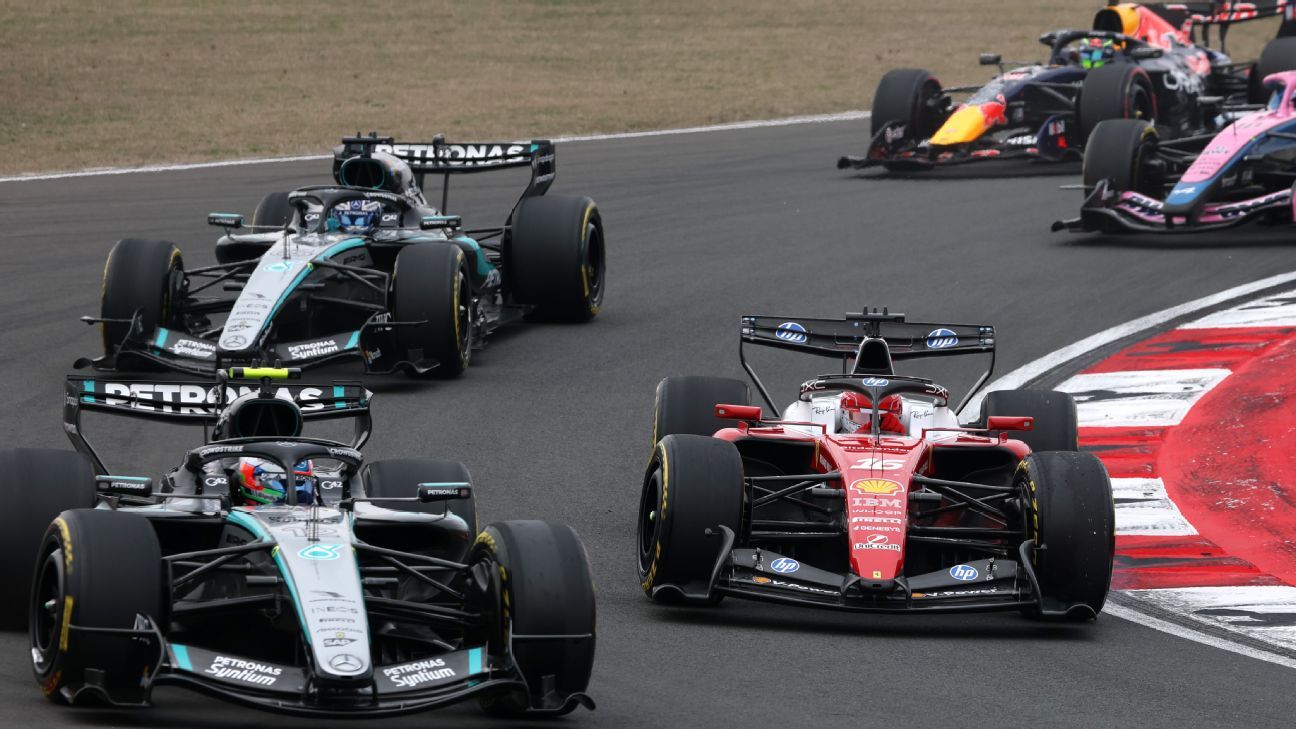
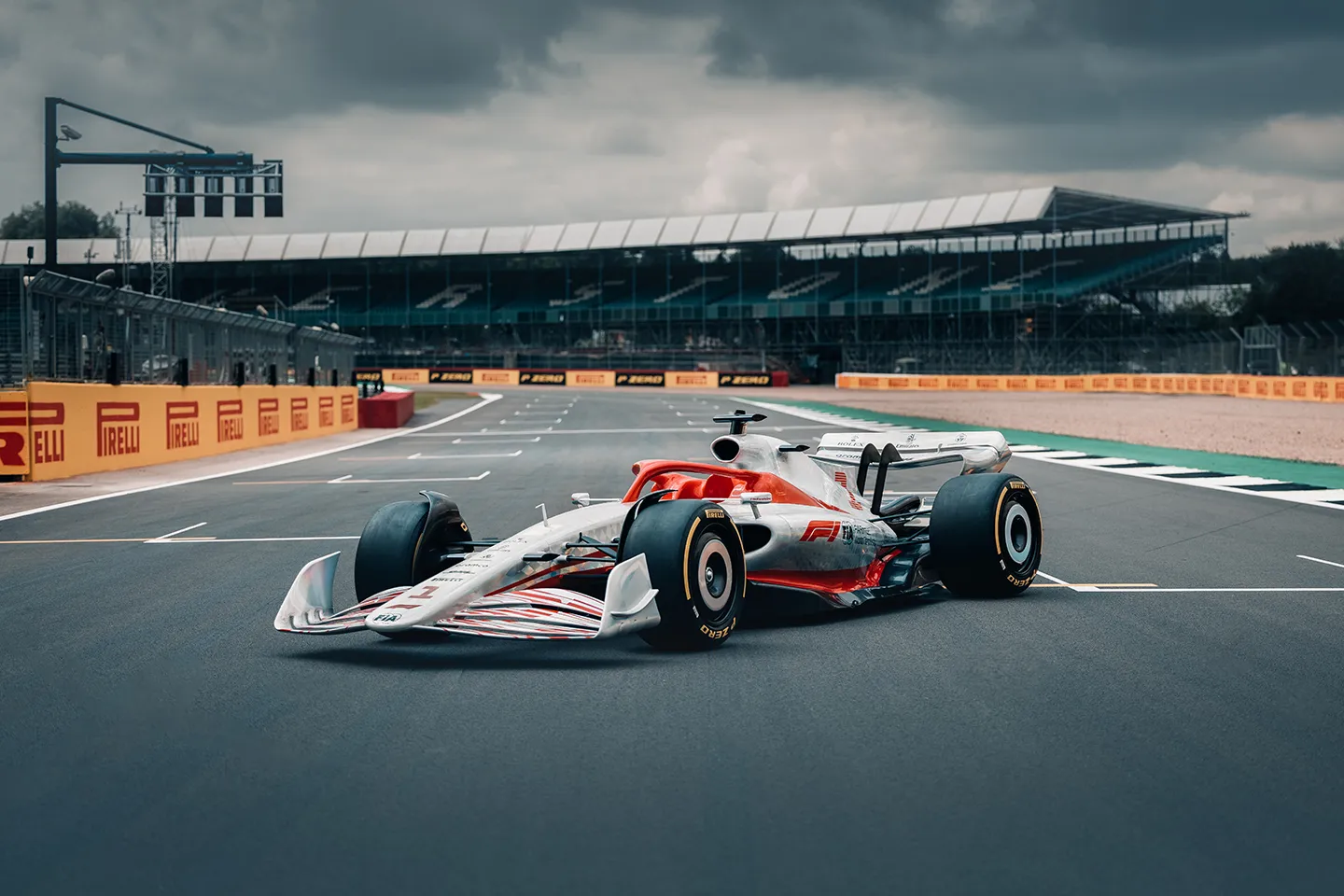
The new F1 regulations 2026 engine split power almost 50-50 between internal combustion and electrical. The electrical side produces up to 350kW, roughly 470 horsepower. That is three times more than last year.
Read Also: Is F1 Already Scrapping the 2026 50/50 Engine Split?
The old engines had an 80-20 split favoring the combustion engine. Now the hybrid system does nearly half the work.
The MGU-H is gone. That complex unit recovered energy from exhaust heat. Now only the MGU-K remains, recovering energy from braking and coasting.
The problem is simple. The battery cannot recover enough energy to maintain maximum power for a full lap. Drivers must choose when to deploy and when to save.
What this means on track: Cars are energy-starved. They spend laps recharging instead of racing. That is why drivers coast through corners and lift off on straights.
Boost Button vs Overtake Mode: The Confusion
The 2026 Formula 1 Boost Button and Overtake Mode are two completely different tools. Many fans confuse them.
Boost Mode is driver-operated energy deployment from the ERS. Push the button anywhere on track. Get maximum combined power from engine and battery. Use it to attack. Use it to defend. The power profile depends on how much charge you saved.
Overtake Mode replaces the old DRS. It only activates when you are within one second of the car ahead at the detection point. Instead of opening a wing, it gives you extra electrical power to pass. The system can be used all at once or spread across a lap.
The key difference? Boost is free. Use it anywhere. Overtake Mode has rules. Proximity matters.
How Drivers Game the System?
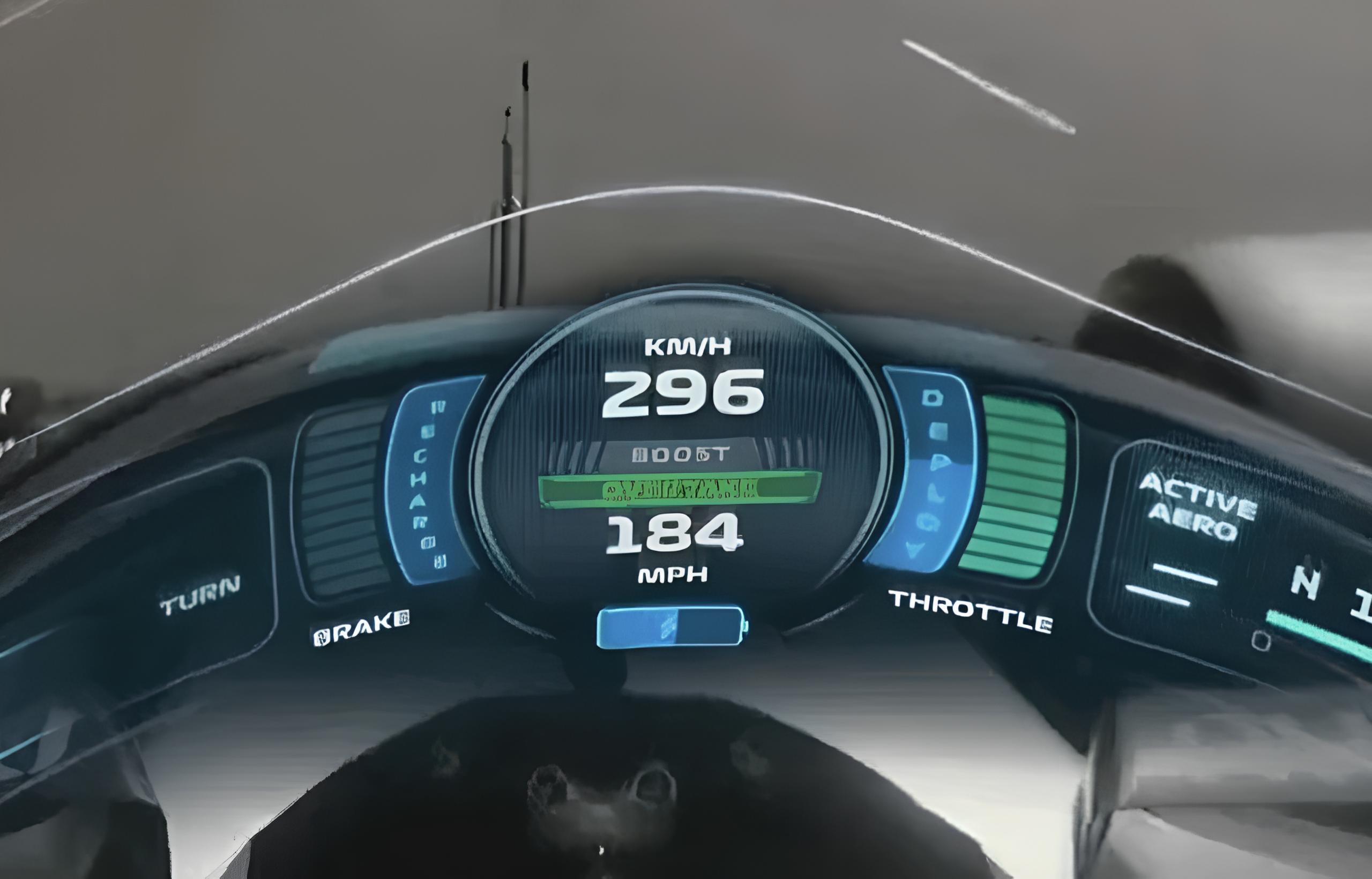
The drivers have figured out the loopholes.
Strategic harvesting is the big one. Drivers lift off the throttle early at the end of straights. They coast through high-speed corners. This recovers energy without sacrificing too much lap time. The 2026 cars harvest energy on throttle lift, braking, and even at full throttle (called "super clipping").
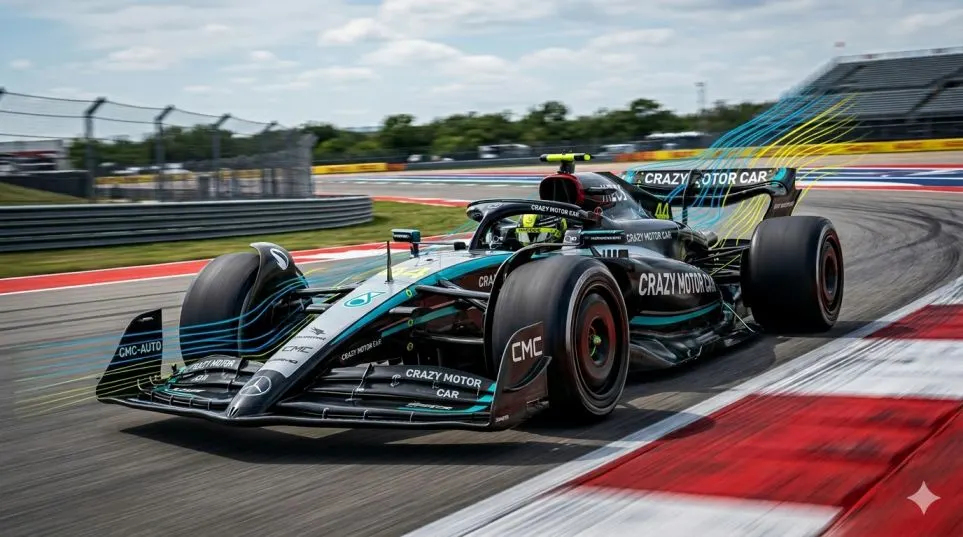
Recharge mode disables active aero. The driver-controlled Recharge mode (lifting off to regenerate) automatically opens the front and rear wings. This reduces drag but removes downforce. Drivers use this strategically on straights.
The active aero game. Both front and rear wings open on straights for low drag, then close for maximum downforce in corners. Drivers time the switch perfectly. Too early and you lose corner speed. Too late and you lose straight-line speed.
Managing the 0.5MJ extra. Overtake mode allows drivers within one second of the car ahead to recover an extra 0.5MJ of energy per lap. That extra power is critical for passing. Drivers stay close to the car ahead just to unlock this bonus.
Saving boost for the right moment. Boost can be used in one go or spread across the lap. Drivers save it for the best attack position or when they are most vulnerable defending.
The Danger: Bearman's Crash
Ollie Bearman crashed at 191mph in Japan. The investigation blamed the closing speed difference between cars.
You Must Also Like: The Formula 1 Austrian Grand Prix: A Must-See Racing Festival
The FIA responded quickly. They capped the boost button at 150kW. They set the MGU-K at 350kW in straight-line zones and 250kW elsewhere. The change took effect from the Miami Grand Prix.
The crash highlighted the real problem. The new rules create massive speed differentials between cars. That is dangerous.
The Fix Coming in 2027
The complaints were loud. Verstappen threatened to quit. Every driver agreed the rules needed changing.
The FIA finally acted. A two-step change is coming.
2027: Power split changes to 58-42 favoring the combustion engine. Fuel-flow increases by 5%. ICE power rises from 400kW to 420kW. Electrical power drops from 350kW to 300kW. Harvesting power increases to 375kW to help recharge faster.
2028: The split reaches 60-40. Fuel-flow increases another 13%. ICE power hits 450kW. Harvesting power reaches 400kW. Electrical power stays at 300kW.
What this means: More flat-out driving. Less coasting. The cars will behave more like traditional F1 cars. Qualifying will become a sprint instead of an energy management puzzle.
The Final Thoughts
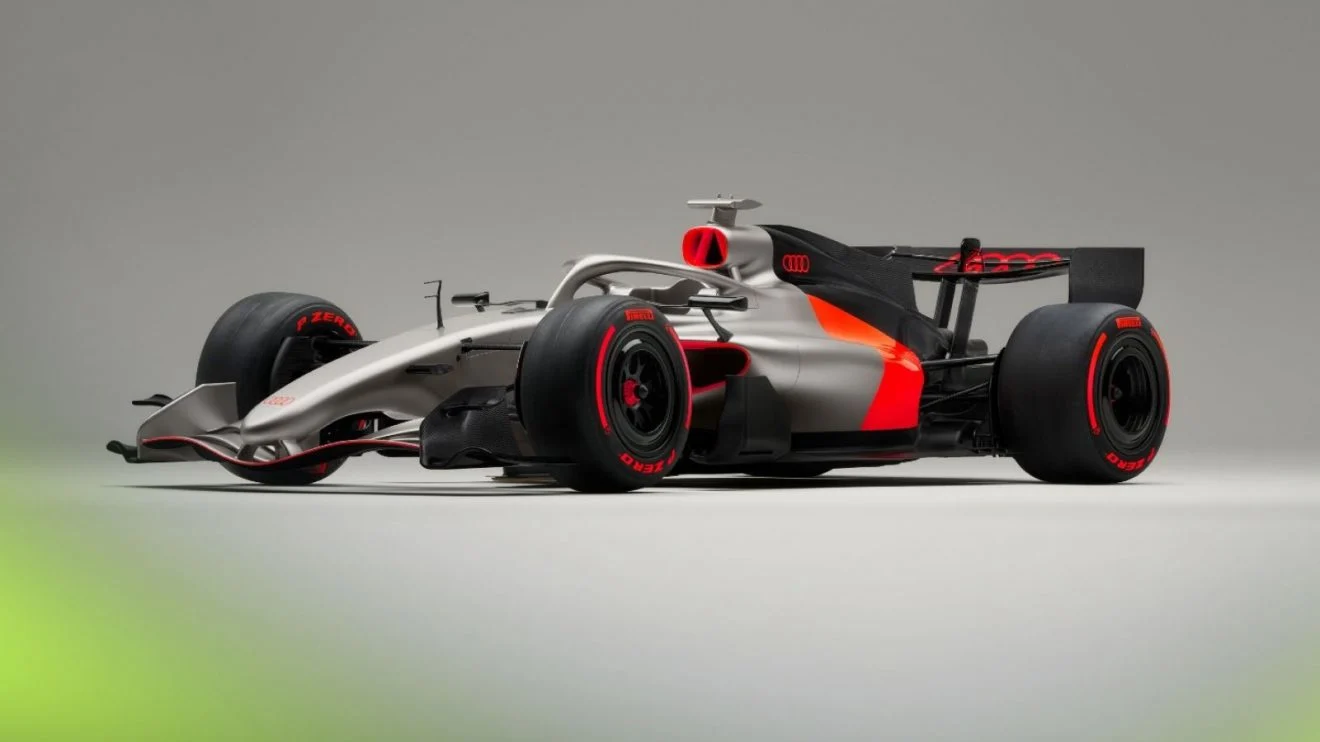
The 2026 regulations were ambitious. More electrical power. Sustainable fuel. New manufacturers like Audi and Cadillac entering the sport. The idea worked. F1 has five power unit manufacturers now. The sport attracted new players.
But the execution failed. Making the cars 50% electrical created energy starvation. Drivers cannot push flat out. That is not racing. That is battery management.
What I have learned: The rules were too aggressive too quickly. The technology cannot support 50% electrical power at racing speeds. The mid-season changes helped but did not fix the underlying problem.
The 2027 changes are the real solution. Moving to 58-42 split with better harvesting will make the cars faster and safer. Verstappen will stay. Qualifying will become exciting again.
For now, watch the drivers game the system. Watch them lift and coast. Watch them save boost for the perfect moment. It is not the racing we wanted. But it is fascinating strategy.