I have been following motorsport for over twenty years. I remember when the original Chase format started in 2004. I remember the anger when NASCAR switched to eliminations in 2014. And I remember the relief when they finally scrapped it.
The new motorsport championship format explained across several series shows one clear trend. Sanctioning bodies are finally listening to fans. They are moving away from gimmicks. They are moving back to rewarding consistency.
Let me walk you through what actually changed. I will give you my honest take on each series. No fluff. No hype. Just the facts.
NASCAR's Big Reversal: The Chase Is Back
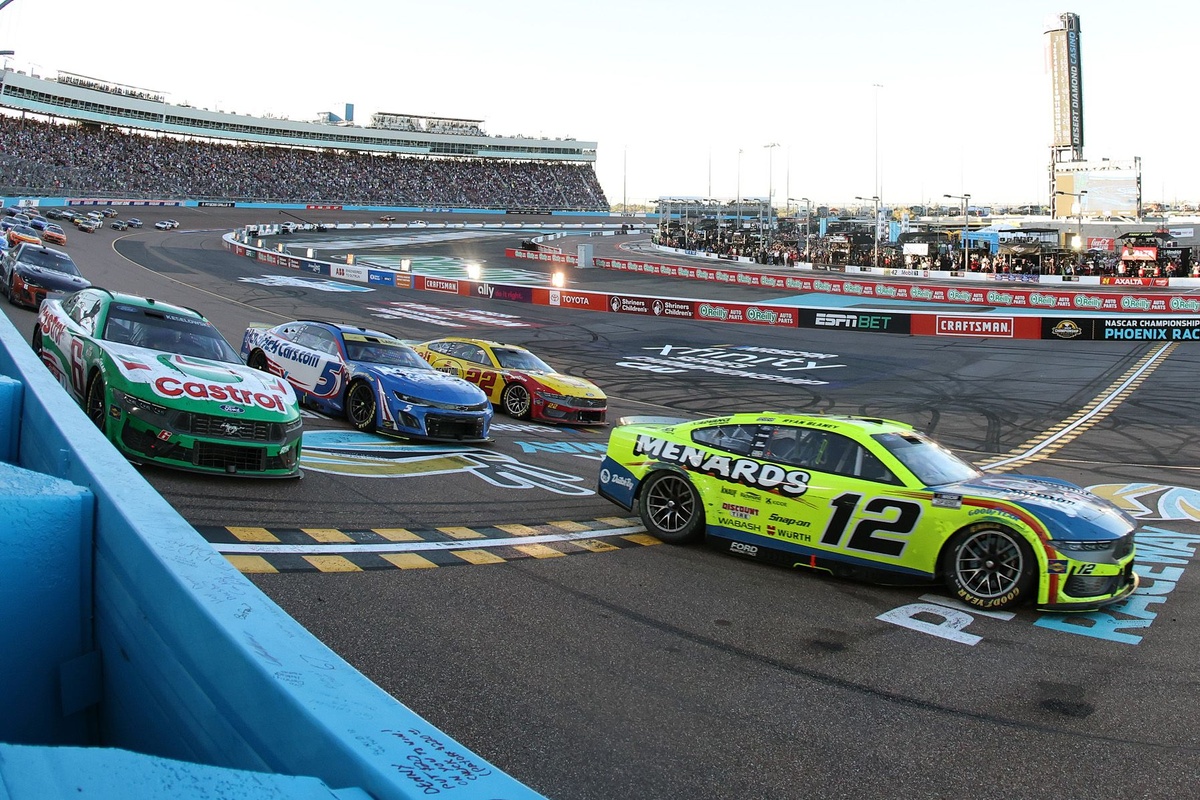
This is the biggest story of 2026. NASCAR completely overhauled its playoff system. The elimination format that ran from 2014 to 2025 is gone.
What was wrong with the old system?
The old format had four rounds. Three rounds with three races each. Then a single winner-take-all finale. Four drivers tied on points going into the last race. The champion was often decided by one bad pit stop or a late caution. Fans hated it.
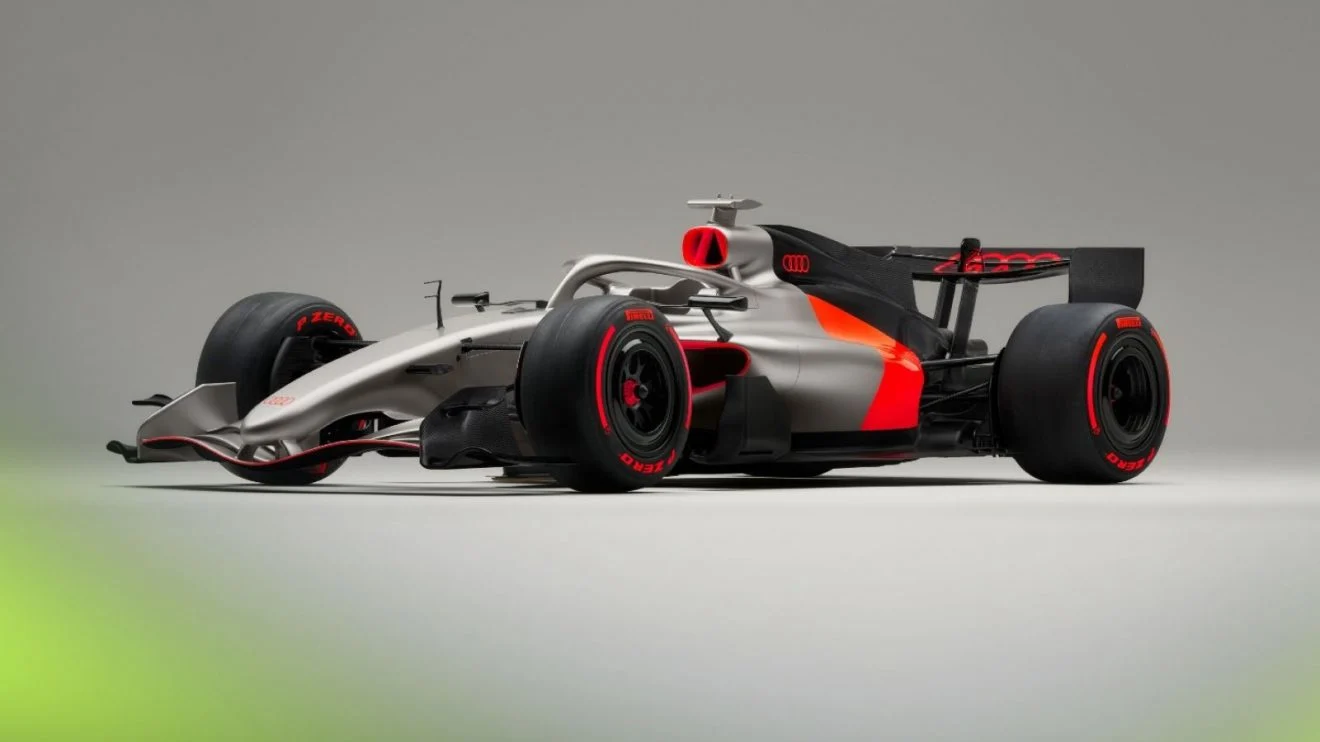
Read Also: Audi F1 2026 Technical Specs: How the 50/50 Power Split Redefines Racing?
Kyle Larson scored more points than almost everyone over the final ten races last year. His title still felt cheap to some because of how the finale worked. That is a problem.
What is the new system?
The 2026 format works like the original Chase from 2004 to 2013. The first 26 races are the regular season. The top 16 drivers in points qualify for The Chase. Then they compete over ten races. The driver with the most total points at the end wins.
No more eliminations. No more single-race finale. Just ten races of straight competition.
Qualification changed too.
Under the old system, winning a regular-season race basically guaranteed a playoff spot. That is gone. Now only total points matter. You can win five races and still miss The Chase if you crash out of the other twenty-one. Consistency is everything again.
Points changed to keep racing aggressive.
NASCAR increased the points for a win from 40 to 55. Second place still pays 35. That is a massive 20-point gap. The idea is to stop drivers from settling for "good points days."
Stage points remain. Top ten drivers get points at the end of each stage. A driver can now earn up to 75 points in a single race if they win both stages and the race.
Seeding works differently too.
Points reset once at the start of The Chase. The regular season leader starts with 2,100 points. Second gets 2,075. Third gets 2,065. Then it drops five points per position down to 2,000 for 16th place.
My honest take on NASCAR's changes.
This is a good move. The elimination format felt manufactured. A champion should not be decided by one race. The new system rewards the best driver over the full season. But sixteen drivers is too many. Twelve would be better. And stage points still feel artificial .
IMSA's 2026 Changes: More Endurance, More Strategy
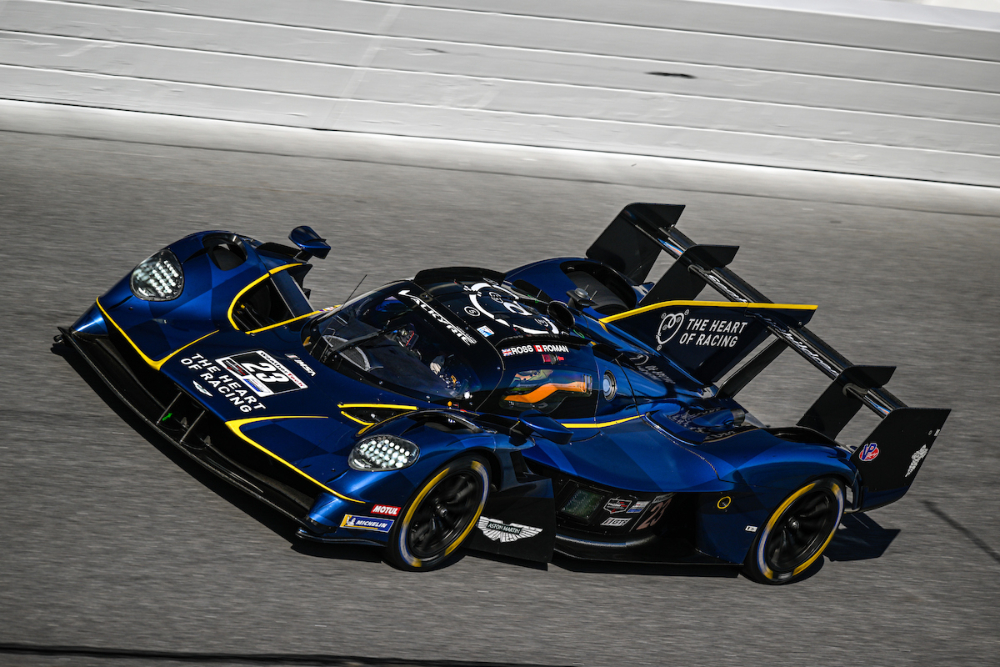
IMSA made some smart tweaks too. Nothing as dramatic as NASCAR. But the changes matter.
Road America becomes an endurance race.
This is the biggest change. The IMSA SportsCar Weekend at Road America was a 2-hour, 40-minute sprint. Starting in 2026, it is a six-hour endurance race . It is now part of the Michelin Endurance Cup.
You Must Also Like: The First Hybrid Wasn't the Toyota Prius
That puts Road America alongside Daytona, Sebring, Watkins Glen, and Petit Le Mans. The longer format changes everything. Tire management. Fuel strategy. Driver changes. Traffic management. It is a completely different race.
Indianapolis reverts to a sprint.
The Battle on the Bricks at Indianapolis was a six-hour race in 2025. It is going back to 2 hours and 40 minutes in 2026, like it was in 2023.
Short FCY protocol introduced.
This is a smart change. Any full course yellow within 30 minutes of the start will be a "Short FCY." The pit lane stays closed. If the caution exceeds 15 minutes, they convert to a standard FCY. This cuts down on caution time early in races.
Bronze driver rules tightened.
Bronze drivers must now apply to race in GTP or GTD PRO. They also must complete the same minimum drive time as bronze drivers in LMP2 or GTD. At Daytona, that means 4 hours and 30 minutes instead of 2 hours.
Le Mans entry changes.
IMSA's GTP champion used to have a guaranteed entry to the 24 Hours of Le Mans. That is no longer guaranteed. The invitation is now at the discretion of the organizers. This was apparently driven by Porsche's potential withdrawal from the WEC.
My honest take on IMSA's changes.
The Road America change is fantastic. Endurance racing is what IMSA does best. Adding another six-hour race is a win. The Short FCY protocol is also smart.
Less time under caution means more racing. The bronze driver rules are sensible. It stops inexperienced drivers from racing in the fastest classes without proving themselves.
Italian F4 Championship: Points Extended
This is a smaller change but worth noting. Italian F4 changed its points system for 2026.
Points now go to top 15.
Previously, only the top ten finishers scored points. Now it goes down to 15th place. The points table looks like this:
-
1st: 30 points
-
2nd: 26 points
-
3rd: 22 points
-
4th: 20 points
-
5th: 18 points
-
6th: 16 points
-
7th: 14 points
-
8th: 12 points
-
9th: 10 points
-
10th: 9 points
-
11th: 8 points
-
12th: 6 points
-
13th: 4 points
-
14th: 2 points
-
15th: 1 point
Engine limits introduced.
Teams can now only use two power units for the entire season. That forces strategic decisions. Teams need to manage their engines carefully.
Grid capacity management continues.
When more cars enter than the track can handle, drivers split into groups. Each group runs qualifying races. Then the top 36 advance to the final race.
My honest take on Italian F4 changes.
Extending points to 15th is good for competition. Mid-pack drivers now have something to fight for. The engine limit is also smart. It reduces costs and adds a strategic element. Junior series should be about developing drivers, not spending money.
What This All Means?
The new motorsport championship format explained across these series shows a clear direction. Sanctioning bodies are moving back to rewarding consistency. NASCAR is the biggest example. The elimination gimmick is dead.
IMSA is focused on enhancing its endurance identity. Making Road America a six-hour race is a statement. Italian F4 is focused on cost control and depth of competition.
Two things to watch.
First, NASCAR's Chase experiment. Is 16 drivers too many? Will the points gap from the regular season leader be enough? We will find out.
Second, IMSA's Le Mans invitation change. Is this temporary or permanent? If Porsche actually leaves WEC, this could be the start of something bigger.
The Final Thoughts
These changes are mostly positive. They reward the right drivers. They reduce randomness. They respect the fans' intelligence. If you stopped watching NASCAR because of the elimination format, 2026 is the year to come back.