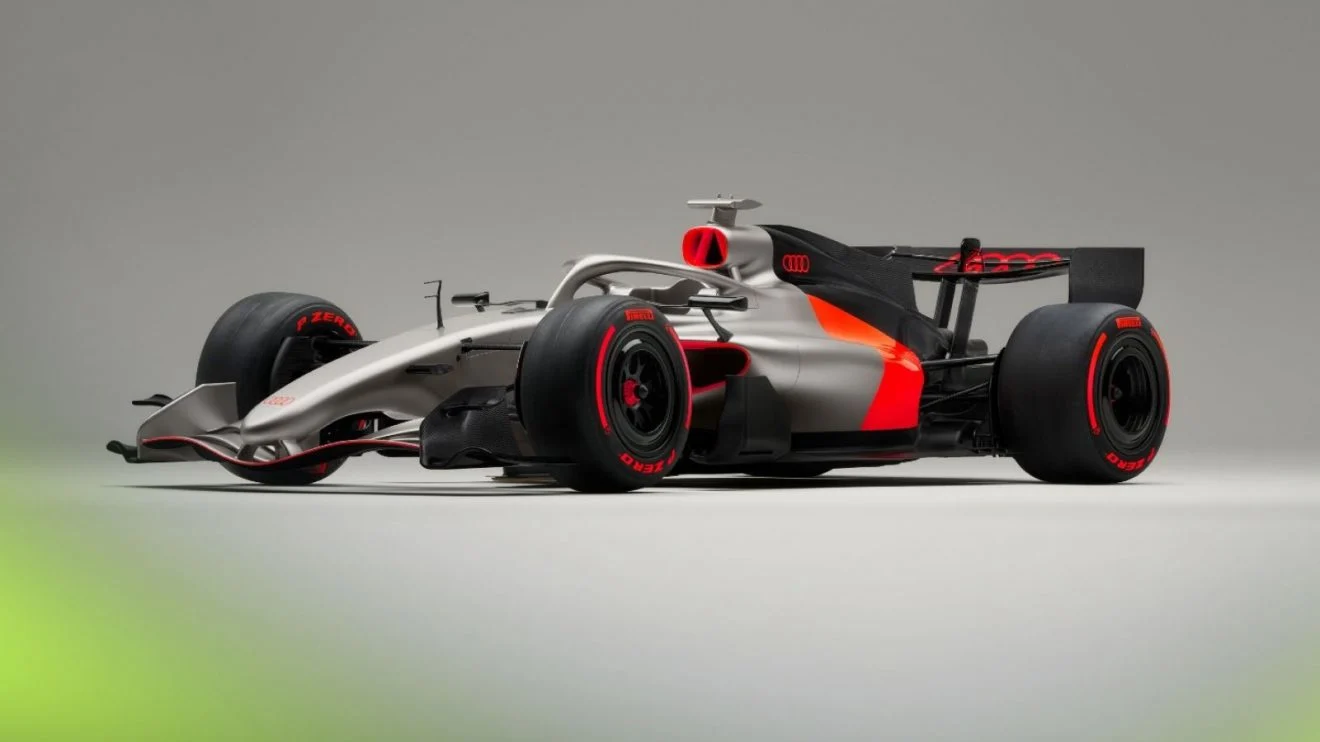
Audi F1 2026 technical specs are finally here. And they look nothing like what came before. The German brand just revealed its R26 challenger. The car runs on a near 50/50 power split between electric motor and combustion engine.
That is a first for Formula 1. The electric side delivers 350 kW. The 1.6-liter V6 turbo puts out roughly 400 kW. Almost equal. This changes how drivers race. How teams strategize.
How you watch the sport. Let me break down what actually matters. No marketing fluff. Just the technical facts from someone who has followed every F1 regulation change since 2014.
What Exactly Is the Audi AFR 26 Hybrid TFSI?
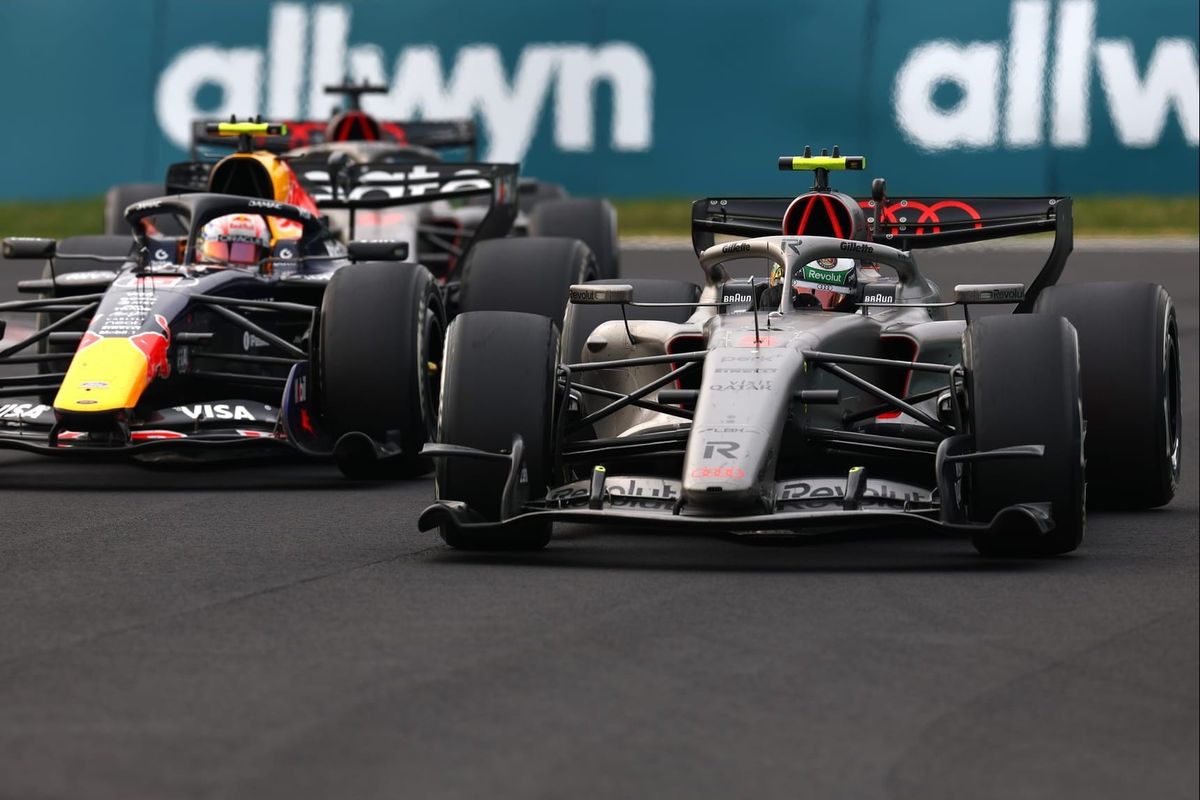
The engine code is AFR 26 Hybrid TFSI. Built in Neuburg an der Donau, Germany. That matters. No other F1 power unit has been developed in Germany for over a decade.
Audi built an entirely new facility for this project. Three thousand square meters of test benches and technical workspaces.
Read Also: The First Hybrid Wasn't the Toyota Prius
The engine itself is a 1.6-liter V6. Direct injection. Turbocharged. Runs on sustainable fuel through Audi's partnership with BP. But the real story is the hybrid system.
Here is the number that matters. The electric motor produces 350 kW. That is roughly 475 horsepower. The combustion engine produces around 400 kW or 544 horsepower. Combine them. You get roughly 1,005 horsepower total.
But do not just look at the peak number. Look at the balance.
Previous F1 hybrids relied heavily on the combustion engine. The electric side was an addition. A booster. Not a co-driver. For 2026, the electric motor has nearly the same output as the petrol engine. That is the biggest technical shift in a decade.
The 50/50 Split Explained Simply
Think of old F1 cars as a sprinter with a small electric push. Think of the new Audi R26 as two equal athletes strapped together.
The old MGU-H is gone. That component generated electricity from exhaust heat. Complex. Expensive. Hard to explain to fans. F1 removed it for 2026. The result is a simpler system that relies more on the hybrid battery and the MGU-K (kinetic recovery unit).
Every time the driver brakes, the system captures energy. Stores it in the lithium-ion battery. Then deploys it for power.
The new "Boost Mode" replaces the old DRS. DRS only reduced drag on straights. Boost Mode gives the driver a button that releases maximum electrical power. 350 kW on demand. Use it to overtake. Use it to defend. The driver decides.
0-60 Time: Why You Won't Get a Number?
You want the Audi F1 2026 technical specs 0 60 time. I get it. Every car guy wants that number.
Here is the honest answer. Audi has not released one. And they probably never will.
F1 cars do not publish 0-60 times like road cars. The variables are too many. Tire compound. Track temperature. Battery charge level. Boost Mode availability.
But I can give you context. The current F1 cars do 0-60 in roughly 2.6 seconds. The new 2026 cars could be faster off the line because of the increased electric power. Electric motors deliver full torque instantly. No waiting for revs to build.
But. And this is a big but. The 2026 cars are also heavier. New battery tech adds weight. More safety structure adds weight. The active aerodynamics add weight.
My educated guess? Low 2-second range. Maybe 2.2 to 2.4 seconds. But do not quote that as official. Audi is playing this close to the chest.
Active Aerodynamics: The Hidden Game Changer
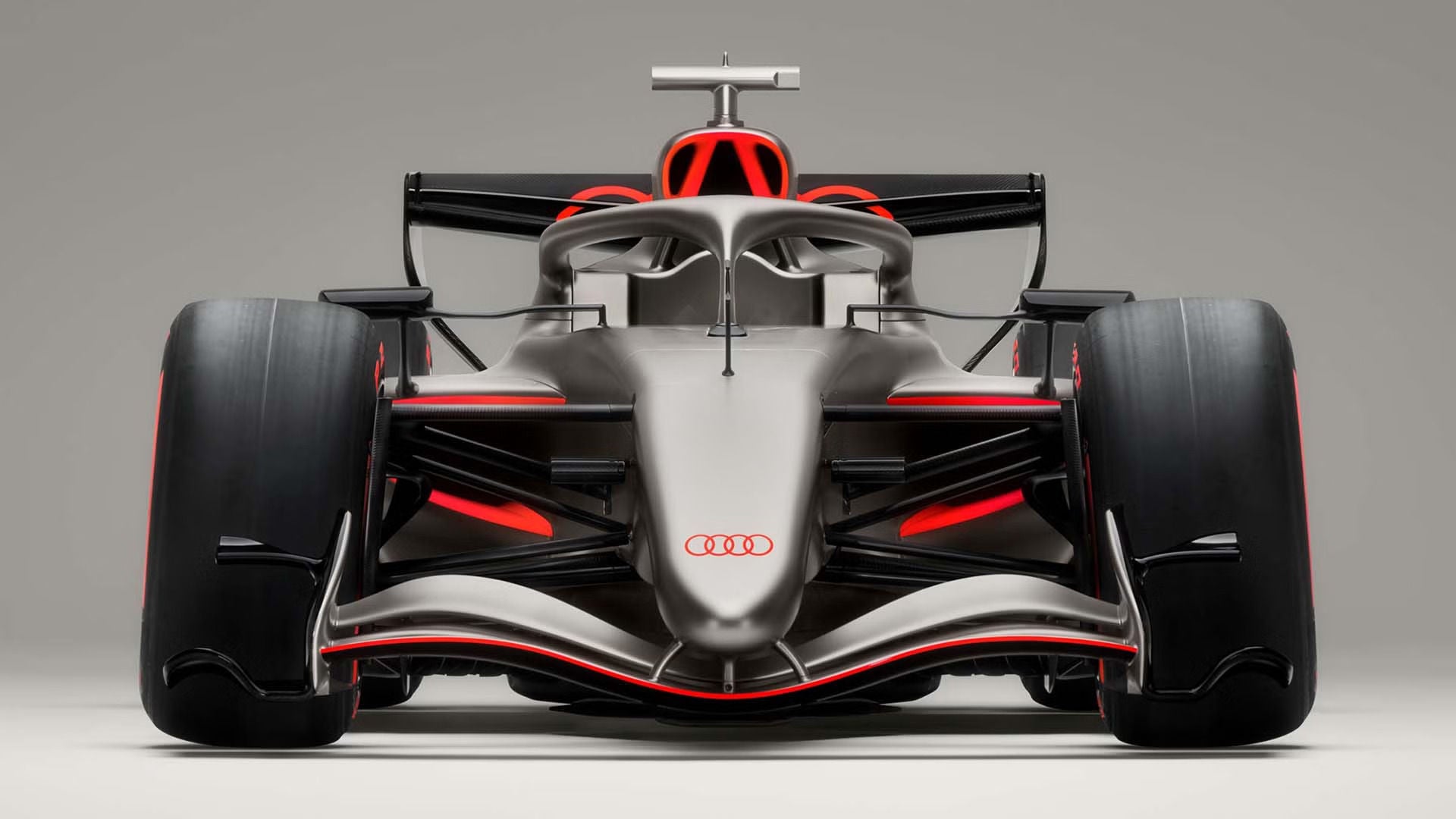
You have heard about the engine. You have heard about the 50/50 split. But the active aero might be just as important.
You Must Also Like: WEC 2026 Hypercar Entry List: Genesis Magma Joins the Grid as Ferrari Defends the Throne
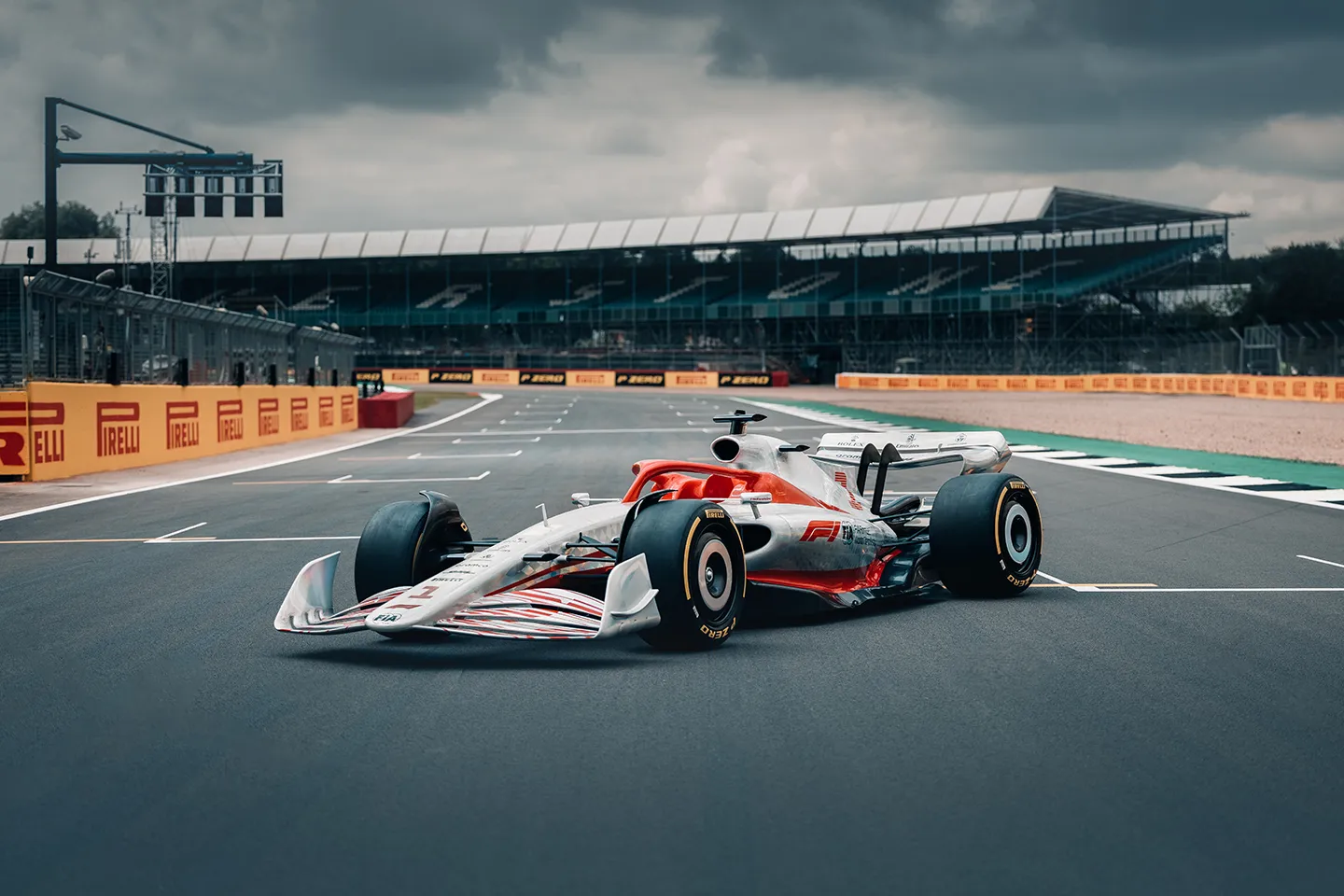
The R26 has adjustable front and rear wings. They move while the car is driving. Not manually. The system adjusts based on speed, steering angle, and driver input.
In corners, the wings generate maximum downforce. The car sticks to the track like glue. On straights, the wings flatten out. Reduce drag. Increase top speed.
This is not new technology. But the 2026 regulations take it further than ever before. The range of adjustment is wider. The control systems are more sophisticated.
What does this mean for racing? Fewer dirty air problems. Cars can follow each other more closely. Better overtaking. More wheel-to-wheel battles.
Who Built This Car? The Team Behind the Machine
Technical leadership matters. Here is who designed the Audi R26:
-
Mattia Binotto – Head of F1 Project (former Ferrari team principal)
-
James Key – Technical Director (ex-McLaren, ex-Toro Rosso)
-
Stefano Sordo – Performance Director
-
Eric Gandelin – Chief Designer, Chassis
-
Stefano Sangiorgi – Chief Designer, Powertrain Integration
-
Alessandro Cinelli – Head of Aerodynamics
That is a serious lineup. Binotto brings Ferrari experience. Key has decades of F1 technical leadership. The chassis comes from Hinwil, Switzerland. The same facility that built BMW Sauber cars in the past.
The drivers are Nico Hülkenberg and Gabriel Bortoleto. Hülkenberg is the experienced hand. Bortoleto is the rookie talent.
Real World Testing: What We Know So Far?
Audi became the first 2026 team to test its car on track. That happened on January 9, 2026 at the Circuit de Barcelona-Catalunya in Spain. It was a filming day. Limited running. But the car moved under its own power.
Team boss Jonathan Wheatley commented on the sound. He said the engine sounds "really good" and "more aggressive" than previous hybrids.
Why does it sound different? The removal of the MGU-H changed the exhaust characteristics. Less complex exhaust plumbing. More direct noise. Fans who hated the quiet vacuum-cleaner sound of early hybrids should pay attention.
The next major test happens in Bahrain. February 11–13 and February 18–20. That is where we will see the car's true pace. Three days of open running. Lap times will leak. Comparisons will emerge.
The first race is March 8, 2026 in Melbourne, Australia.
Honest Pros and Cons of the 2026 Regulations
I have watched F1 for 25 years. Every regulation change promises closer racing and better action. Some deliver. Some do not.
The Pros:
-
More electric power means instant torque. Exits out of slow corners will be violent. Good for racing.
-
Active aero reduces dirty air. Cars can follow within half a second without losing downforce.
-
Sustainable fuel is real. Not greenwashing. The fuel is produced from biological sources or captured carbon.
-
Simpler engine architecture. No MGU-H means lower costs. More potential for new manufacturers to join.
-
Boost Mode adds strategy. Drivers must decide when to use the extra power. Save it or spend it.
The Cons:
-
Cars are heavier. Battery tech is improving but still adds mass. Heavy cars handle worse.
-
Electric range anxiety exists even in F1. If the battery depletes early, the car loses half its power.
-
Active aero could fail. More moving parts. More things to break at 200 mph.
-
Engine sound is still not V10 levels. More aggressive than 2025 cars? Yes. As good as 2004? No.
-
Uncertainty around reliability. First-year regulations always have teething problems. Expect retirements.
Comparison: Audi R26 vs. The Competition
I will be straight with you. No one knows who is fastest. Not yet.
The other 2026 power unit manufacturers are Mercedes, Ferrari, Red Bull (Honda), and Renault. Each took a different development path.
Mercedes focused on extreme electrical efficiency. Ferrari prioritized combustion engine power. Red Bull optimized the packaging for aerodynamics. Renault is the wild card with limited budget.
Audi's advantage is starting fresh. No legacy thinking. No old architecture to carry forward. Their disadvantage is lack of F1 experience as a full works team.
The smart money says Mercedes and Red Bull lead early. Audi fights for best of the rest. But that is a guess. Testing times in Bahrain will tell us more.
What This Means for You as a Fan?
You do not need to buy anything here. This is not a shopping guide. But you might be wondering if the 2026 rules are worth your attention. Yes. For three reasons. First, the racing will be closer.
Active aero and 50/50 power distribution create more overtaking opportunities. Less processional racing. Second, the technology is reaching road cars.
Audi already launched the RS 5 plug-in hybrid with torque vectoring inspired by F1. More tech will trickle down. Third, the sound is improving. Not perfect. But better. Wheatley called it more aggressive. I trust his ear.
The Final Thoughts
The Audi F1 2026 technical specs tell one clear story. Change is here. Electric and combustion now share the stage equally. The R26 is not perfect. First-year cars never are. But it represents a genuine shift in how racing works.
More power from electricity. Less from fuel. Simpler engines. Smarter aerodynamics. Watch the Bahrain test in February. That is when the real answers come. Until then, take the hype with a grain of salt.
F1 has promised revolutions before. Sometimes they deliver. Sometimes they do not. The 50/50 split looks like the real thing. But we will know for sure in Melbourne.