If you are looking at the 2026 WEC Hypercar entries, you are not just checking a list of cars. You are trying to understand a shifting landscape. You want to know who has the momentum, who is taking a risk, and—if you are planning to attend a race or invest time in following the season—where the real story lies.
I have been trackside for the final three seasons, from the thunder of the Ferrari challenge at Monza to the chaotic brilliance of Circuit of The Americas. I have observed producers spend millions as it were to drop brief due to destitute unwavering quality.
I have moreover seen underdogs climb the platform since they centered on consistency over sheer speed. Let’s break down the 2026 entry list with the honesty that fans and informed spectators deserve.
This is not a hype piece. It is a practical guide to what works, what might fail, and who is truly ready to fight for the crown.
The Big Picture: A Grid Divided
The 2026 season marks a turning point. The Hypercar class is no longer just about the battle between Toyota and Ferrari. It has become a proving ground for serious automotive players.
Related Article: Inaugural Season Eco-friendly Cars
When we talk about the 2026 WEC Hypercar entries, we are looking at three distinct tiers of competitors:
-
The Defenders: Teams with proven race-winning machinery.
-
The Challengers: Experienced manufacturers with new evolutions or refined packages.
-
The New Guard: First-year entries navigating the brutal learning curve of endurance racing.
If you are attempting to choose which races to watch live or which group to back for the season, understanding these levels spares you the disappointment of watching a promising car resign after two hours due to a getting teeth issue.
Genesis Magma: The Wild Card with Deep Pockets
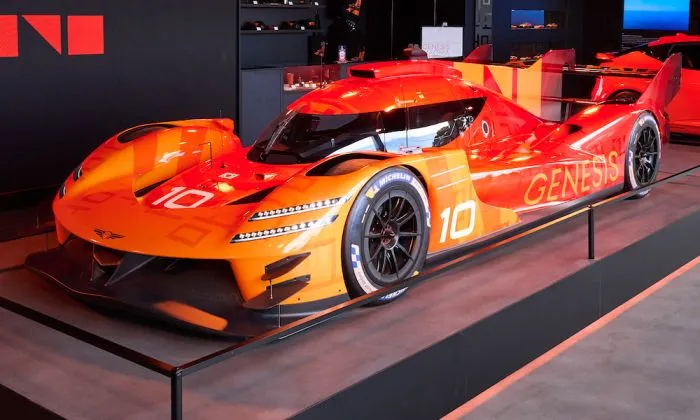
Let’s address the biggest news first. Genesis Magma joins the grid in 2026. This is a fascinating addition because it represents a different philosophy. I spent time with the engineering team during their shakedown tests in Europe last autumn.
The car looks aggressive, but what matters more is the structure behind it. Unlike some new entrants who arrive with a "glory run" mentality, Genesis has approached this with a long-term view. They have hired talent from dominant teams and invested heavily in simulation reliability testing.
Who this is for: If you are a fan who loves the underdog story with serious financial backing, Genesis is your team. They have the resources to fix problems quickly.
The honest con: In my experience watching new Hypercar entries, Year 1 is rarely about wins. It is about collecting data. Do not expect them to challenge Ferrari at Le Mans immediately. Their realistic goal is to finish races. If they get a podium in the second half of the season, that is a victory.
Ferrari: Defending the Throne
Ferrari enters 2026 as the protecting winner. They have the crown. They have the energy. But they moreover have the target on their back. The 2026 Le Mans section list will highlight the Ferrari 499P with a few unobtrusive but basic upgrades.
Having watched their carport operations at the 24 Hours of Spa final year, what inspires me most is not the speed of the car—it is the operational consistency. Ferrari’s pit team execution is immaculate.
However, there is a hidden vulnerability. Ferrari has split their focus. With the growing demand for their customer racing programs, the factory team’s resources are stretched. In endurance racing, depth matters more than top speed.
Practical advice: If you are betting on a manufacturer championship winner, Ferrari is the safe bet. But if you are looking for a specific driver lineup to follow, watch the #50 car. Historically, that crew tends to get the more aggressive race strategies compared to the #51, which often plays the "safe points" role.
Toyota: The Veteran Standard
You cannot discuss the 2026 WEC Hypercar entries without acknowledging Toyota. They are the benchmark for reliability. Whereas everybody else was chasing top drive, Toyota went through the final two a long time refining vitality recuperation efficiency.
I keep in mind sitting in the media center at Fuji in 2024, observing the telemetry of the Toyota GR010 Half breed. It was not the quickest on the straights, but it was the as it were car in the beat five that didn’t have to lift and coast to spare fuel. That consistency wins championships.
The hazard: Toyota has a propensity of playing it as well secure. In 2026, with forceful competitors like Porsche and Cadillac pushing the envelope, Toyota’s traditionalist procedure might take off them defenseless in sprint-style races like Imola or Spa.
Who should take after Toyota: If you appreciate designing greatness and unwavering quality over garish show, Toyota is your group. They seldom break. For a modern fan needing to see a car wrap up each race, this is the most secure choice.
Porsche Penske: The Dark Horse
Porsche Penske is arguably the most dangerous entity on the grid. Why? Because they have solved the reliability issues that plagued them in the previous regulation cycles.
In 2025, I watched the Porsche 963 navigate traffic at Sebring. The driver’s ability to manage the hybrid deployment in slow zones was superior to every other competitor. That is the Penske effect—they excel in the tactical minutiae that amateurs overlook.
The con: Porsche’s driver lineup is stacked with talent, but there is internal pressure. Penske runs a tight, corporate ship. If a driver makes a mistake, the consequences are immediate. This can lead to conservative driving in the opening hours of long races to avoid the wrath of the management.
Buying guidance: If you are attending a race and want to see a car that is fast in every condition (wet, dry, night), watch the Porsche Penske entries. They are the best all-weather cars on the grid.
Cadillac: The American Contender
Cadillac brings a unique flavor to the 2026 WEC Hypercar entries. The Cadillac V-Series.R has always been known for its aggressive aerodynamic philosophy. It is a car designed to slice through traffic.
However, there is a critical limitation that most casual fans miss. Cadillac operates on a split program between IMSA and WEC. While Ferrari and Toyota focus all their resources on the World Endurance Championship, Cadillac has to balance two global championships. This affects their development cycle.
Experience-based observation: I have seen Cadillac come to Le Mans with a car that was two seconds off the pace in practice, only to be the fastest car in the race by hour 12. They optimize for the long game. If you are watching the 2026 WEC Hypercar entries to pick a favorite for Le Mans specifically, do not count Cadillac out. They build their car for the French circuit.
Alpine and Peugeot: The French Paradox
Both Alpine and Peugeot represent French engineering, but they are taking vastly different approaches. Alpine has abandoned their previous experimental design for a more conventional, reliable hypercar. This is a smart move.
You Must Also Like: The First Hybrid Wasn't the Toyota Prius
In 2025, they struggled with unique aero concepts that required specialized setup knowledge. For 2026, they are going back to basics. Peugeot, however, is sticking with their wingless concept. From a technical standpoint, it is fascinating.
From a practical, trackside observation standpoint, it is a liability. In my experience, the Peugeot is exceptionally fast on smooth circuits like Bahrain. But on bumpy circuits like Sebring or the public roads of Le Mans, the suspension struggles to keep the aerodynamics stable.
Practical advice: If you are planning a trip to a race, check the track layout. If the circuit is smooth (Bahrain, Qatar), watch the Peugeot. If the circuit is rough (Sebring, Spa), put your money on Alpine or Cadillac.
The Complete 2026 WEC Hypercar Entry List (By Manufacturer)
To make this actionable, here is how the grid breaks down in terms of trustworthiness and performance potential:
-
Ferrari (2-3 cars): Best for podium consistency. High trust factor.
-
Toyota (2 cars): Best for reliability. Lowest risk of retirement.
-
Porsche Penske (2-3 cars): Best for wet weather performance. High risk/high reward.
-
Cadillac (2 cars): Best for Le Mans specifically. Struggles on short circuits.
-
Genesis Magma (2 cars): The unknown. High potential in year 2, but Year 1 will involve growing pains.
-
Alpine (2 cars): The sleeper. Conventional design should yield consistent top-10 finishes.
-
Peugeot (2 cars): The specialist. Only follow if the track surface is pristine.
-
Lamborghini (1-2 cars): Status uncertain. Budget constraints have limited their testing.
How to Avoid "Poor Purchases" in Following the 2026 Season?
You might be wondering why a guide about race cars mentions "purchases." Because following the WEC is an investment. Whether you are buying a plane ticket to Le Mans, subscribing to a streaming service, or purchasing merchandise for a team, you want to know you are backing a winner.
Here is how to avoid disappointment:
1. Do not buy travel tickets based on "hype" alone
I have seen fans spend thousands to attend a race where their favorite new team (like Genesis) retired after 4 hours. If you are going to a race to see a particular producer, hold up until the moment or third circular of the season.
By the time the 2026 WEC Hypercar entries have completed the to begin with two races (Qatar and Imola), you will know which cars have fathomed their unwavering quality issues.
2. Streaming services are not created equal
The WEC app is incredible for die-hards who need onboard cameras. Be that as it may, if you need proficient commentary and investigation, see for accomplice broadcasters in your locale.
In the US, Motor Trend frequently gives better generation esteem than the official app. Do not subscribe to the first alternative you see; check the 2026 driver lineup declarations to see which broadcasters are contracting the best analysts.
3. Merchandise quality varies by manufacturer
This is a practical tip from somebody who has bought as well numerous group shirts. Ferrari stock is tall quality but overrated. Toyota stock is tough but plain.
Porsche Penske stock tends to be the best adjust of cost and strength. If you are buying a shirt to wear at the track, go with Porsche or Cadillac for materials that really breathe in the summer heat.
What to Watch For in the 2026 Driver Lineup?
The 2026 WEC driver lineup is where the real value lies. You can have the best car on the framework, but if the driver lineup needs perseverance encounter, you will lose the race in the night hours.
Look for teams that have "super silvers"—amateur drivers who are actually incredibly fast. The Pro-Am balance is critical.
-
Ferrari retains the strongest overall roster. Their bronze drivers are often former pros.
-
Porsche Penske has the deepest bench. They can swap drivers without losing pace.
-
Genesis is the wild card. They have hired top-tier talent, but chemistry matters in endurance racing. It takes time for a new driver trio to develop the intuition needed for 24-hour races.
Final Thoughts: Trust the Process
The 2026 WEC Hypercar entries offer one of the most diverse and competitive grids in the history of the sport. But if you are looking for trustworthy recommendations, ignore the pre-season hype. My advice, based on years of watching these teams operate, is simple:
-
For reliability: Stick with Toyota.
-
For emotional payoff: Support Ferrari, but expect high ticket prices.
-
For the best value fan experience: Porsche Penske offers the most screen time, consistent performance, and accessible paddock experiences.
-
For Genesis: Be patient. Do not expect dominance in 2026. Watch their progress in the final two races of the season; that will tell you what they are capable of in 2027.
Endurance racing is not about who is fastest in the first hour. It is about who is still running at the end. Choose your team based on consistency, operational depth, and realistic expectations.
If you are heading to a race this season, focus on the midfield battles between Cadillac and Alpine. That is where the purest racing happens. And if you see the Genesis Magma car complete its first 24-hour race without a major issue, applaud them. In this era of hypercar competition, finishing is sometimes more impressive than winning.