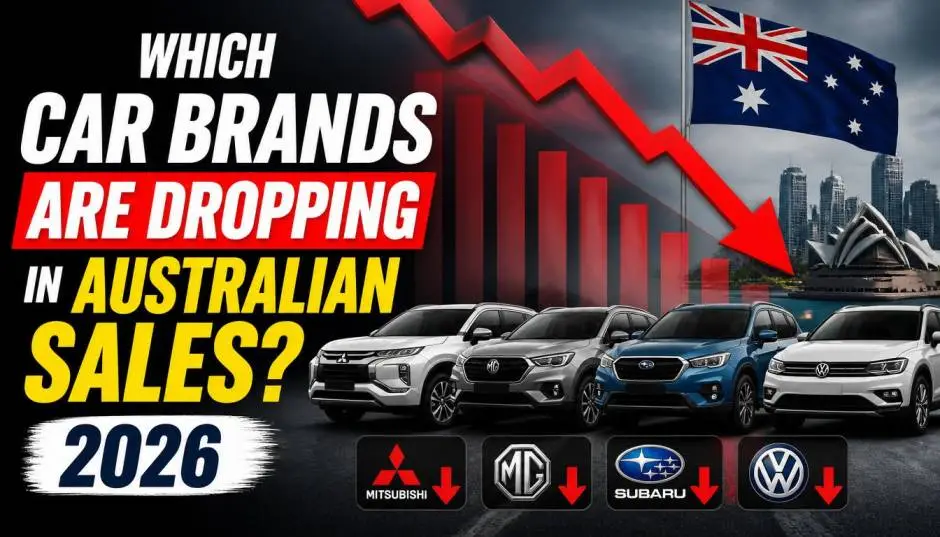
If you think new cars in Australia are selling like hotcakes, think again. I was looking through the latest VFACTS data over my morning coffee, and the numbers are a bit of a shock.
The total market shrank by 4.8 per cent in May 2026 compared to last year . That is a serious dip. You would expect a few brands to feel the pinch, but it is the big names that are taking a real beating.
The question of which car brands are dropping in Australian sales is not just a headline; it's a story of a huge change in what we are all buying.
You would be forgiven for thinking that the overall drop is a sign that people have stopped buying cars. That is not the full picture. The market has not stopped; it is just changed direction.
The Tesla Model Y best-selling car news tells you everything you need to know about where the money is going. It is no longer just about the badge on the front or the legacy of a brand. The shift is about what you are putting in the tank—or the battery.
The Big Losers: Who Is Down and By How Much?
Toyota Australia: The Giant Stumbles
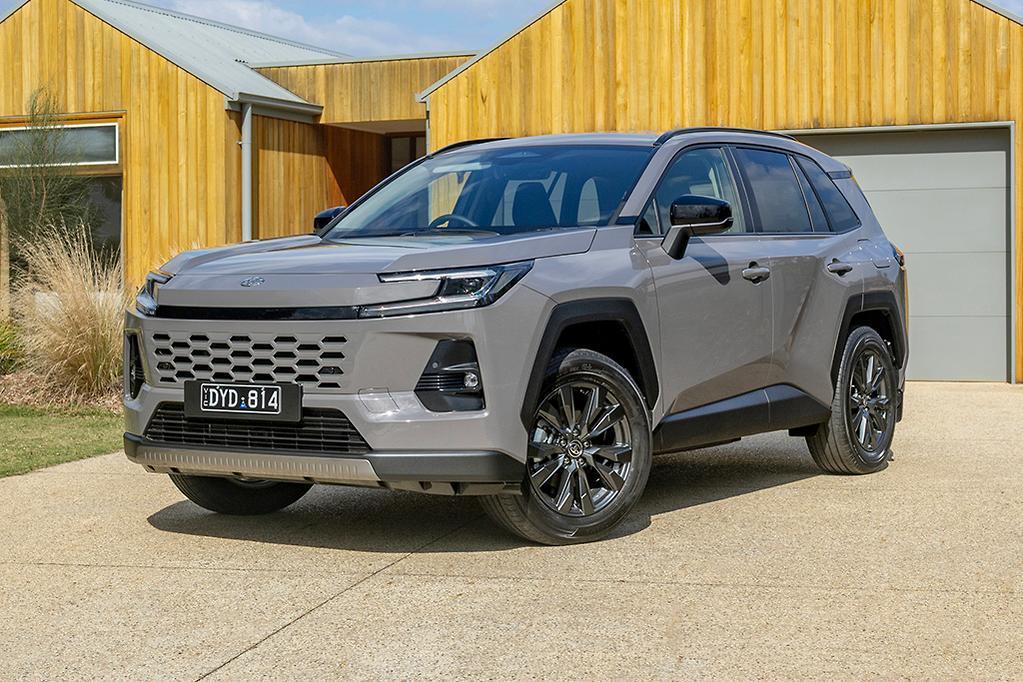
This is the one that got my attention. Toyota Australia is still the biggest seller. They shifted 16,342 cars in May 2026, which is still a huge number . But year-on-year, that was a drop of 30.7 per cent . That is not a small bump; that is a cliff dive. Year-to-date, they are down 24.6 per cent compared to the first five months of 2025 .
Read Also: Top 10 Chinese Car Brands in Australia 2026
I remember when you just bought a Toyota because it was the sensible, safe choice. But now, you have to ask if the 'sensible' choice has been priced out of the market.
The company itself has pointed to supply constraints on the new RAV4 as a reason for the drop . But the data suggests it is more than just a single model issue.
The Prado dropped 63.9 per cent in May. The Kluger fell a staggering 70.7 per cent . These are huge drops for models that were once considered untouchable. You can argue that it is supply issues, but when you are down 30 per cent, you have to look at the competition.
The Traditional Japanese and German Names
It is not just Toyota feeling the heat. Nearly every major legacy brand is seeing red. The old guard is under pressure.
-
Mazda: Once a podium finisher, Mazda dropped to seventh place in May 2026 . Sales were down 27.4 per cent year-on-year . The CX-5, once a staple of Australian driveways, was down nearly 40 per cent . They do not have an EV on sale for immediate delivery right now, and that is becoming a problem .
-
Nissan: This is a worrying sign. Nissan dropped out of the top 10 entirely. They are down 32.8 per cent for the year so far . The X-Trail is taking a 15 per cent hit, and the whole lineup is suffering .
-
Subaru: Down 22.1 per cent for the year . The Forester and Outback are in a transition period with new models, but the competition in the SUV segment is brutal . The Forester is being outsold by Chinese rivals in its class .
-
Mitsubishi: Down 26.4 per cent year-to-date . They have culled popular models like the Pajero Sport, and the new ASX is just not selling as well as the old one . The affordable SUV space is now dominated by Chinese brands.
-
Volkswagen: Down 17 per cent overall . The Amarok ute is down over 33 per cent. They are seeing some growth in their EV models like the ID.4, but it is not enough to offset the losses in their core SUV and ute sales .
The One Big Winner You Cannot Ignore
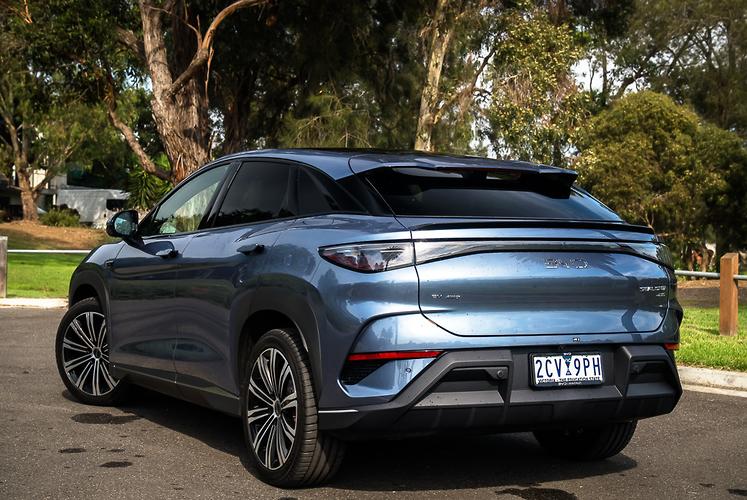
When you are looking at who is dropping, you have to look at who is rising. The winner is China. BYD was the second-best-selling brand in Australia for the second month in a row . They delivered 8,211 vehicles, up a massive 154.6 per cent .
You Must Also Like: VFACTS Monthly New Car Sales Statistics Report 2025
The growth is not just limited to BYD. Chery is up nearly 60 per cent year-on-year . Geely is up an astronomical 415.9 per cent . Omoda Jaecoo recorded a 729 per cent increase . Seven of the top 20 best-selling models in May 2026 came from Chinese brands .
This is not just a flash in the pan. China overtook Japan as the largest source country for new vehicles in Australia in May 2026 . They sold over 30,000 vehicles. That is a fundamental shift in where our cars are coming from.
May Car Sales 2026: Why the Drop is Happening?
The May car sales 2026 figures reveal a lot about what is happening in the economy. It is more than just brand preference. It comes down to three big things.
1. The Cost of Living Crisis is Real
You cannot buy a car if you cannot afford to run one. A Roy Morgan survey showed that buying intention for a new car has dropped to 47 per cent, down 4 per cent .
People are not feeling confident about making big purchases. A car is a massive financial commitment. If you are worried about groceries and rent, a new car loan is the last thing on your mind.
2. Fuel Prices are Killing Petrol and Diesel
Look at the fuel type breakdown for May 2026. Petrol-powered car sales fell by a massive 30.3 per cent. Diesel was down 26.2 per cent . At the same time, EV sales were up 146.8 per cent .
People are looking at the pump and doing the math. If you are in the market for a new car and you plan to keep it for five years, the running costs of a petrol car are just not attractive anymore.
3. Chinese Brands Offer Unbeatable Value for Money
This is the simplest reason. The Chery Tiggo 4 and the Jaecoo J5 are in the top 10 best-sellers. They are affordable. They are packed with features. The Kia Picanto is the only new car you can buy in Australia for under $20,000 .
Chinese brands are filling that gap for budget-conscious buyers who want an SUV. For the price of a base model Japanese small car, you can get a Chinese mid-size SUV with more features. It is a no-brainer for a lot of families.
What This Means If You Are Buying?
This information is not just interesting; it is useful. If you are in the market for a new car, this data gives you serious leverage.
You Have Negotiating Power
Car dealers are under pressure. They need to move stock. It is a buyer's market for brands that are struggling. If you are looking at a Nissan, a Mitsubishi, or a Subaru, you can drive a hard bargain. They need your business. Do not be afraid to ask for discounts, extras, or free servicing.
The Used Market is Softening
It is not just the new car market. The Australian Automotive Dealer Association (AADA) reported that used car sales in the first half of 2026 were down 6.6 per cent . Supply is up, and demand is down.
By June 2026, over half of all one-to-five-year-old vehicles sold had their asking price reduced before the sale, with the average discount hitting 3.7 per cent . If you are patient, you can find a good deal on a used car.
The Resale Value Question
While the Toyota Australia brand is struggling with new sales, you have to consider the long game. The resale value of a Japanese or European car might still hold up better than a rapidly growing Chinese brand.
That is a risk you have to weigh. The Chinese cars are cheaper now, but will they be worth anything in five years? That is a gamble some buyers are taking, but one you should be aware of.
Is the Drop a Permanent Trend?
This is the million-dollar question. Is this the end of the road for brands like Toyota, Mazda, and Nissan? The simple answer is no, not yet. But they have to adapt.
Toyota is still the market leader by a huge margin . They have the brand equity and the dealer network. But they have been slow to embrace the EV transition in Australia. While they have the bZ4X, it is not a volume seller. They are betting on hybrids, which are still selling well.
Mitsubishi and Nissan are planning new models. Nissan is pinning its hopes on the new Navara and Patrol, while Mitsubishi is bringing back the Pajero . Subaru is launching new electric models . They have plans, but the question is whether they are moving fast enough.
The Chinese brands are not going away. They are getting better, and they are getting more popular. The Australian market is shifting. The answer to which car brands are dropping in Australian sales is essentially a list of brands that have been slow to electrify and slow to offer value. The smart money is on the brands that can bridge the gap between affordable pricing and a strong electric future.