I drove a friend's new luxury SUV last week. Leather everywhere. Screens everywhere. Zero road noise. Acceleration that pinned me to the seat. "Nice car," I said. "What is it?"
"Denza B5," he replied. "Chinese."
I sat there for a second, surprised. This was not the cheap Chinese car I remembered from five years ago. This thing felt like a Mercedes.
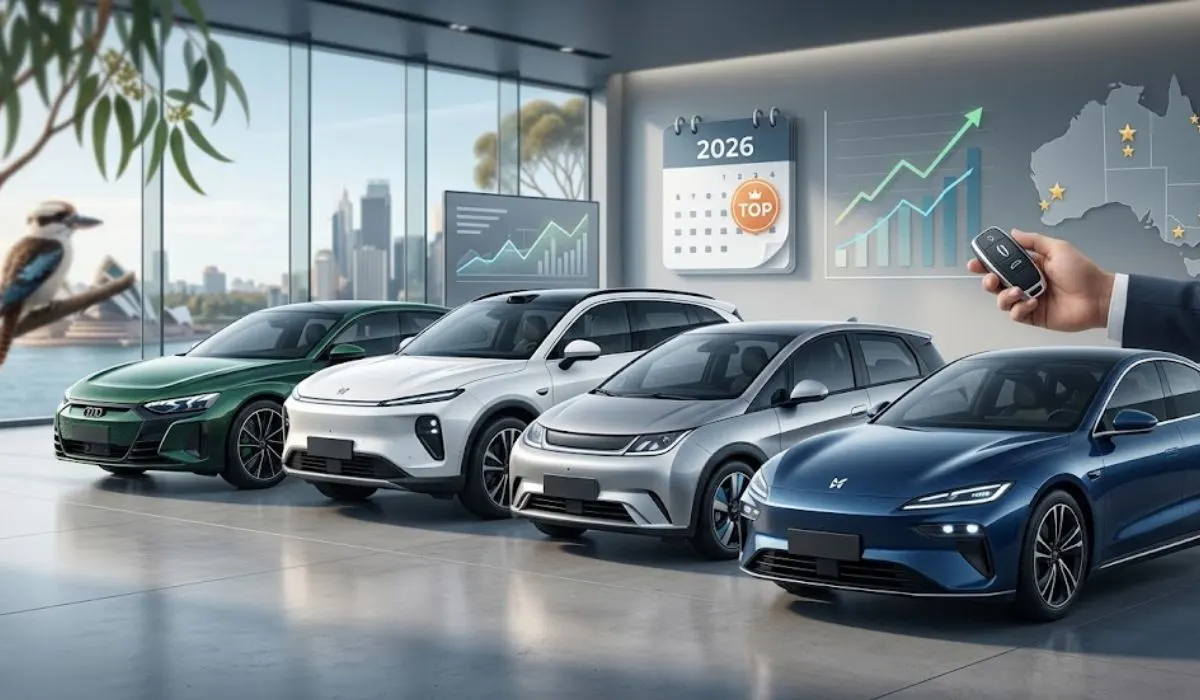
Welcome to the Australian car market in 2026. Luxury Chinese car brands in Australia are no longer a future prediction. They are here. And they are selling fast.
Here is my honest rundown of the top Chinese brands on our roads right now. What works. What worries me. And what you should actually buy.
What's Latest EV and Hybrid Models?
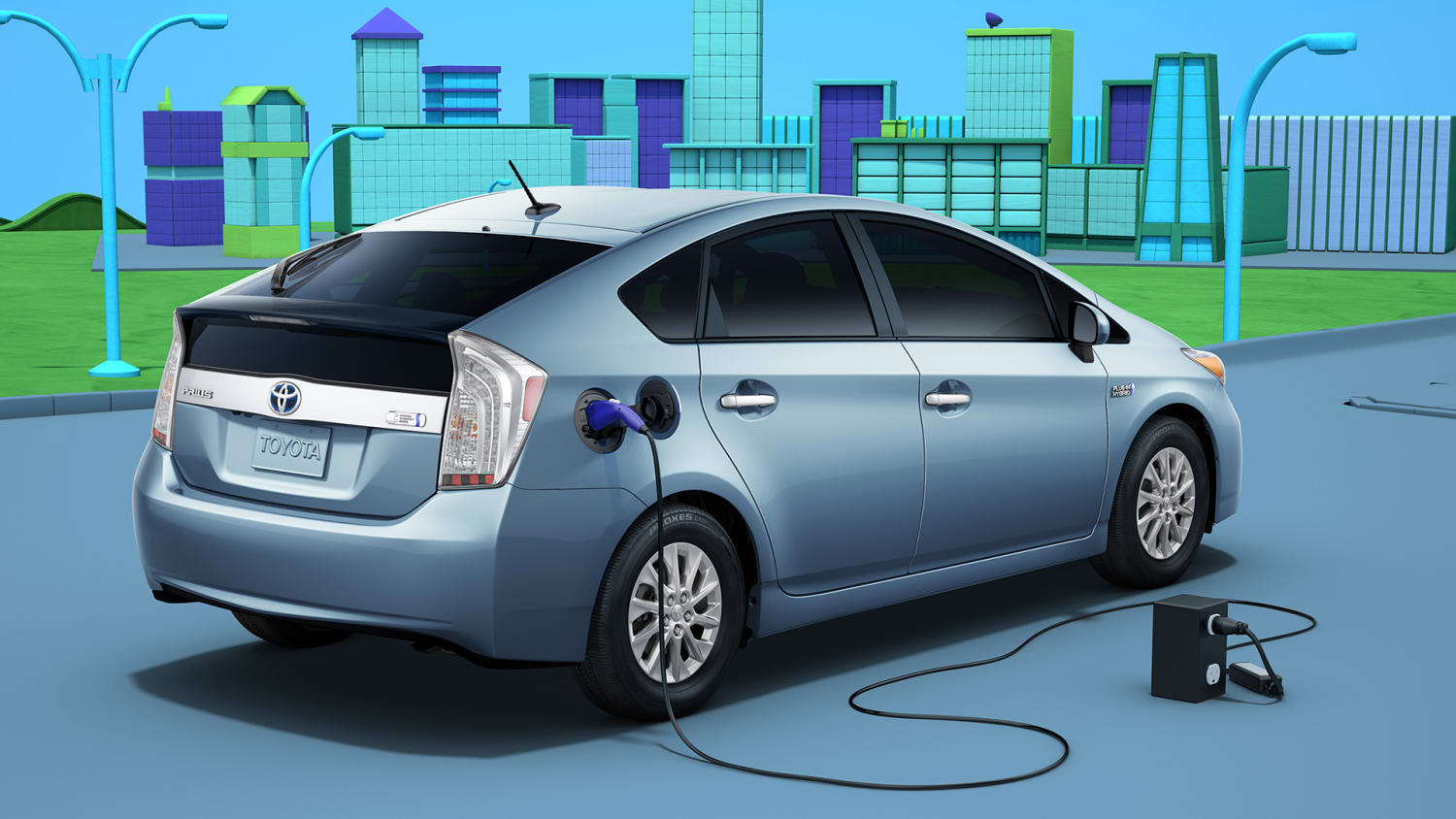
Electric cars are the future, and each year we've seen automakers include more EVs to their lineups. Everybody is working on electric vehicles, from well-established existing producers to modern names such as Clear, Slate, and Rivian.
Read Also: How Self-Driving Cars Work: Technology Behind Autonomous Vehicles
We've compiled a list of each electric vehicle, from concept to generation, that isn't accessible however but will be before long. Let me give you a number that shocked me.
Twenty-eight new car brands entered Australia in the past five years. Most from China. That is more than one new brand every two months.
The Prime Minister himself warned these new brands last month. His message was simple: meet our service standards or leave.
Why the warning? Because some Chinese brands grew too fast. Their sales skyrocketed. But their service networks? Their parts supply? Not ready.
BYD sells 989 cars per dealer on average. Compare that to Toyota at 857. Ford at 477. These Chinese dealers are drowning in demand. The good news? The brands on this list are the ones taking service seriously. The ones I would actually trust.
The Top 10 Chinese Car Brands in Australia for 2026
1. BYD – The Volume King That Is Going Luxury
You already know BYD. They sell more Chinese cars in Australia than anyone else.
But here is what is new. BYD is bringing its luxury sub-brand Yangwang to Australia. And this thing is insane.
The Yangwang U8 is a plug-in hybrid off-roader. 880kW of power. 1280Nm of torque. Zero to 100km/h in 3.6 seconds. And it weighs 3.5 tonnes.
Price? Around $250,000. That puts it against the Range Rover and BMW X7.
Who it is for: Wealthy buyers who want something different from the usual German luxury brands.
Who should wait: Everyone else. This is not a family car. This is a statement.
2. Denza – The Most Serious Luxury Contender
Denza is BYD's proper luxury brand. And their ambition is bold.
They want to be a top five premium brand in Australia within their first year. Top five. Against BMW, Mercedes, Audi, and Lexus.
I sat in the Denza B5 last month. Two rows. Prado-sized. Priced from $74,990 before on-road costs.
The Denza B8 is bigger. Three rows. $97,990 plus costs. Both are plug-in hybrids. Both tow 3500kg.
The COO told media that 50% of test drives turn into sales. That is a crazy high conversion rate.
These are the luxury Chinese car brands in Australia that feel most like a traditional European luxury car. Quiet. Smooth. Well-built.
Who it is for: Families wanting luxury SUV features without the BMW price tag.
Watch out for: The dealer network is small. Only 4-5 locations at launch. They plan to reach 20 by year end, but regional buyers may struggle.
3. Zeekr – The Performance Junkie's Choice
Zeekr is Geely's premium electric brand. They already sell the X (small SUV), 7X (medium SUV), and 009 (luxury people mover) in Australia. But 2026 brings two monsters.
You Must Also Like: February VFACTS: Ford Ranger Remains Above HiLux, Tesla Model
The Zeekr 8X and 9X large SUVs are confirmed for late 2026 and early 2027. Both are plug-in hybrids with ridiculous power.
Three-motor versions produce 1030kW and 1410Nm. That is more power than a Bugatti Chiron.
The 9X does 0-100km/h in 3.1 seconds. The smaller 8X is even faster. 2.9 seconds.
Combined range? 1250km. Electric-only range? Up to 300km. Charging from 10% to 80% in ten minutes on a 900-volt system.
Prices estimated from $135,000 for the 8X.
Who it is for: People who want supercar performance in an SUV body.
Who should skip: Anyone who does not need 1000kW. It is overkill for school pickups.
4. GWM – The Reliable Veteran
GWM has been in Australia for years. They are not flashy. They are not luxury. But they sell. Their premium sub-brand Wey arrives mid-2026. Three models. Large SUVs and a people mover. All plug-in hybrids.
Wey targets the upper end of the market. Think Lexus pricing but with more standard equipment.
Who it is for: Buyers who want a Chinese brand with an established dealer network.
Not for: The luxury purist. Wey is premium, not ultra-luxury.
5. MG – The Sales Machine
MG is practically Australian at this point. They have been here longer than most Chinese brands.
They sell 382 cars per dealer. Respectable. Their network is mature.
The luxury offshoot? IM Motors. Expected soon. Electric. Premium. Aimed at Tesla and BMW.
Who it is for: Budget-conscious buyers who still want new car warranty.
The catch: MG is not luxury. The IM Motors brand is coming, but not here yet.
6. Jaecoo – The Range Rover Look-Alike
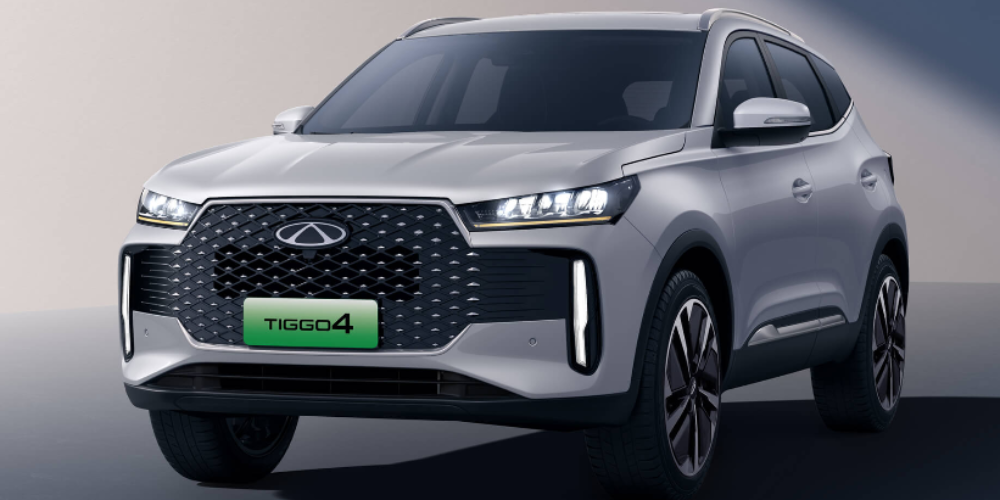
Jaecoo is Chery's premium spin-off. Their J5 EV just launched at $36,990 drive-away. It looks like a mini Range Rover. That is not an accident. The J5 review from Carsales gave it 79/100.
Strengths? Price, equipment, and frisky city driving. Weaknesses? Unknown aftersales and resale value. Real range is around 350km, not the claimed 402km. The charge port door broke during their test drive. Small problems that make you nervous.
Who it is for: First-time EV buyers who want SUV looks without SUV prices.
Wait if: You care about resale value. Nobody knows what these will be worth in three years.
7. Leapmotor – The Surprise Package
Leapmotor launched in 2024. In 2025 and 2026, they outsold Jeep, Alfa Romeo, Peugeot, and Fiat in Australia. Think about that. A brand nobody heard of two years ago is beating iconic names.
They sold 170 cars year-to-date 2026. Jeep only sold 55.
Who it is for: Early adopters who want a good deal on an EV.
The risk: Service and parts are unproven. The brand is growing fast, but can they keep up?
8. Geely – The Quiet Achiever
Geely owns Volvo, Polestar, Lotus, and Zeekr. They know what they are doing.
Geely EX5 is their main model in Australia. Already surpassed 1200 sales this year.
Not a luxury brand. But a solid mass-market player.
Who it is for: Practical buyers who want value.
Not for: Luxury seekers. Keep moving.
9. Chery – The Omnipresent Parent
Chery sells under its own name and through Jaecoo and Omoda. They also own Lepas, a youth-focused sub-brand coming in 2027.
Chery's vehicles are not luxury. But their parent company's reach is massive.
Who it is for: Buyers who want a cheap new car and do not care about badge prestige.
10. XPeng – The One to Watch
XPeng is on the list of brands flagged for not meeting service standards last year. That is a red flag.
But they are still here. Still selling. Their G6 electric SUV gets good reviews for driving dynamics.
Who it is for: Enthusiasts who prioritize driving feel over aftersales peace of mind.
Avoid if: You want a hassle-free ownership experience.
What About the Ones Coming Soon?
Five more names are heading our way:
-
Firefly – Nio's small EV brand. Spotted testing in Melbourne. Around $35,000.
-
Forthing – Budget EVs from Dongfeng. Sub-Atto 3 pricing.
-
212 – Hardcore off-road SUV and ute from BAW. Arriving 2026 for 2027 deliveries.
-
JMC – Returning with a diesel dual-cab ute. Budget-focused.
-
Lepas – Chery's youth brand. 2027.
Pros and Cons of Chinese Luxury Cars in 2026
The Good
Price. You get more car for your dollar. A 75,000Denzahasfeaturesofa75,000Denzahasfeaturesofa120,000 BMW.
Technology. Chinese brands lead on screens, driver assists, and connected features. The software just works better.
EV range. Zeekr's 300km electric-only range in a PHEV is class-leading.
Warranty. Most offer 7-8 year vehicle and battery warranties.
The Concerning
Service networks are thin. Denza has 4-5 dealers. Regional buyers may drive hours for a service.
Parts supply is unproven. The Prime Minister's warning was not random. Some brands cannot get parts fast enough.
Resale value is a mystery. Nobody knows what a 2026 Jaecoo will sell for in 2029.
Small quality issues. The Jaecoo J5's charge port door broke in testing. One-off or pattern? Too early to tell.
ANCAP ratings missing. The Jaecoo J5 has no safety rating yet. Some other models also untested.
Practical Advice: How to Avoid a Bad Purchase?
I have learned these lessons the hard way. Do not repeat my mistakes.
1. Test drive on rough roads. Chinese suspension tuning varies wildly. The Jaecoo J5 ride is sharp on coarse bitumen. Some are great. Some are not. Drive exactly where you normally drive.
2. Check the dealer distance. Open Google Maps. Type the dealer address. If it is more than 30 minutes away, think twice. You will visit for servicing.
3. Research parts availability. Call the service department. Ask: "How long for a replacement windscreen or bumper?" If they hesitate, walk away.
4. Do not buy the first model year. Let others beta test. The 2027 updates will fix the 2026 bugs.
5. Compare insurance quotes. Some Chinese luxury cars have high premiums. Parts are expensive to import. Get a quote before you sign.
6. Ask about software updates. Over-the-air updates vary by brand. Some do it well. Some require dealer visits. Ask specifically.
The Final Thoughts
Luxury Chinese car brands in Australia are real competition now. Denza and Zeekr are not jokes. They are genuinely good vehicles at genuinely good prices. But they are not for everyone.
If you live near a dealer, want maximum features for your dollar, and accept that resale value is a gamble, buy one. You will probably love it. If you need bulletproof reliability, live rurally, or cannot handle small quality annoyances, stick with Japanese or Korean brands for another year or two.
The market is changing fast. By 2027, these concerns may be gone. Today? Be smart. Do your homework. And never buy a car you have not driven on your own roads.