Equation 1 cars zip around tracks at unimaginable speeds. The thunder of the motors is exciting. But have you ever pondered how the don remains secure and reasonable? The reply lies in a always changing set of informational. This is the history of Formula 1 rules.
These controls and rules are the sport's diagram. They choose how quick a car can go, how secure it must be, and indeed how the race is run. Let's take a fun trip through time to see how these rules have molded the hustling we cherish today.
The Early Days: A Wild Start
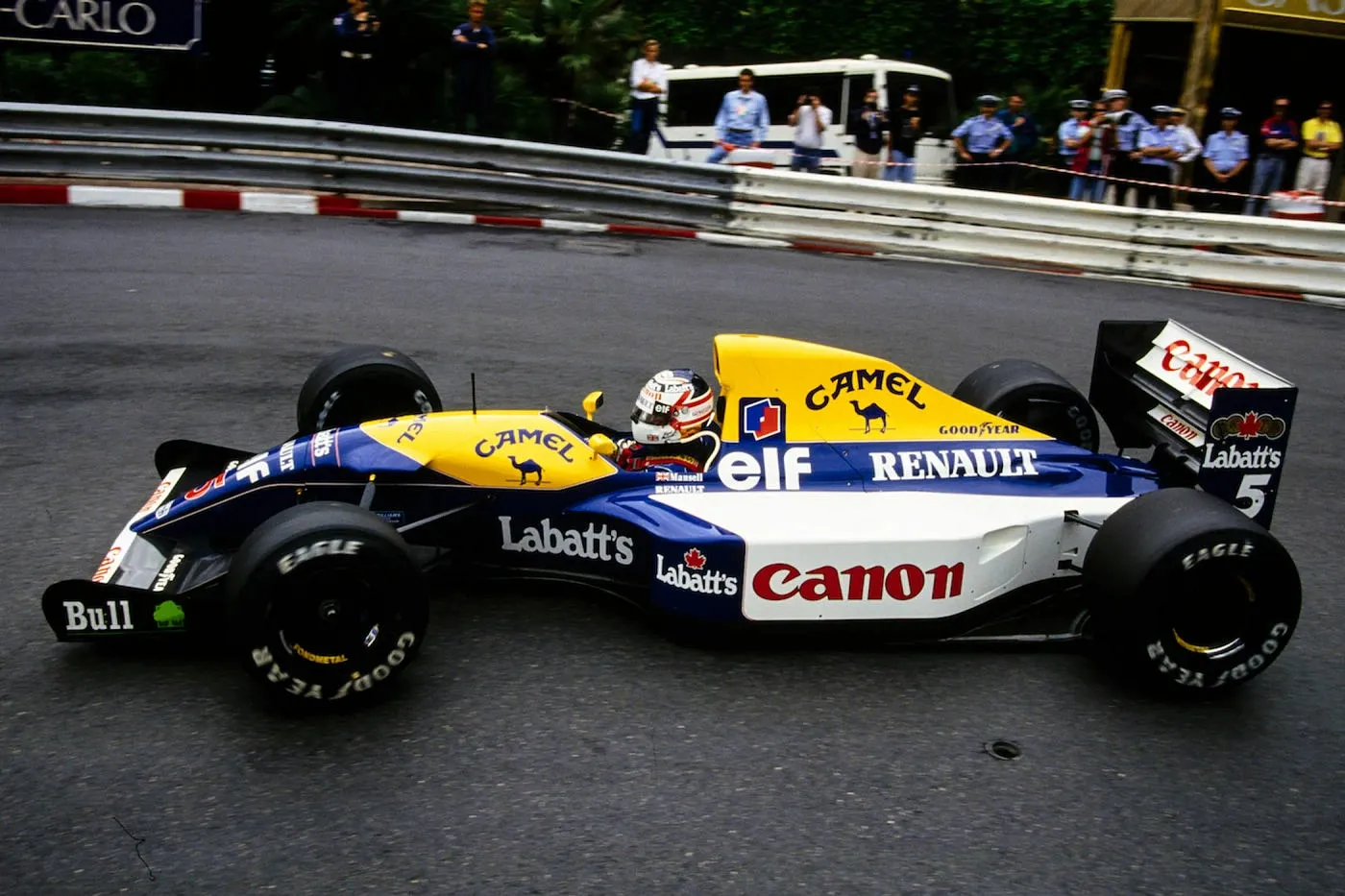
The roots of F1 directions go back to 1950. The to begin with rules were exceptionally basic. Cars had to have motors no greater than 4.5 liters if they didn't have a turbo. Security was not a huge center. Drivers wore straightforward protective caps and calfskin caps. There were no seatbelts! The cars were essential and perilous. This was the starting of F1 governance.
Back at that point, the objective was fair to see who was speediest. But as cars got faster, mischances got to be more genuine. Individuals realized things had to alter. The travel of making F1 more secure and more energizing had begun.
The Advancement of F1 Security Rules: Securing the Drivers
The most critical changes in the history of Formula 1 rules are around security. After a few appalling crashes in the past, the wear knew it had to do way better. This driven to the advancement of F1 security rules.
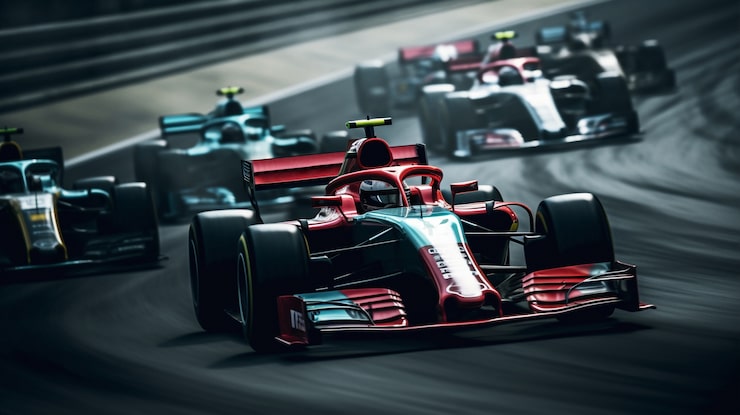
One colossal alter was making the cockpit, where the driver sits, more grounded. The corona, a bended bar over the driver's head, was presented in 2018. It looks unusual but it has spared numerous lives. It secures the driver from flying tires and enormous crashes.
Read Also:- Future of Electric Formula 1 Racing Cars
Cars are too built like a survival cell. This solid cabin secures the driver from gigantic impacts. Flame resistant suits and full-face head protectors are presently required. Tracks have more extensive run-off zones and more grounded boundaries. All these security commands in motorsport make beyond any doubt drivers can race another day.
Changing the Cars: From Huge Motors to Crossover Power
The rules almost the cars themselves have a interesting advancement of specialized directions. In the past, motors were mammoth and drank fuel like insane. At that point came a center on littler, turbocharged motors in the 1980s. It was all around unadulterated power.
Today, the rules thrust for intelligent innovation. Since 2014, cars have utilized cross breed control units. These are fantastically complex motors that combine a gasoline motor with electric engines. They recuperate vitality when the car brakes and utilize it to boost control. This move to crossover control unit controls made F1 a lab for future street car tech.
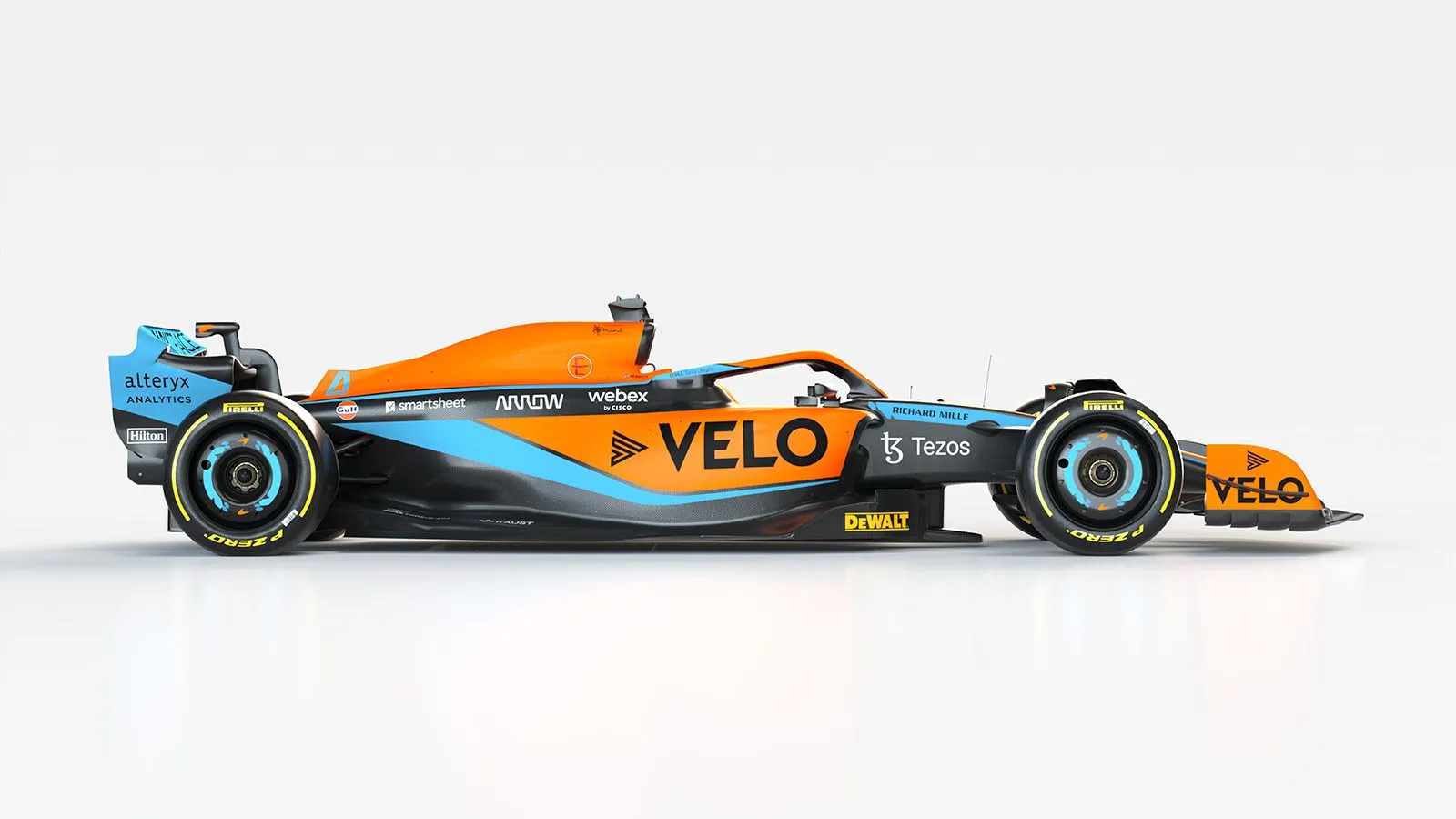
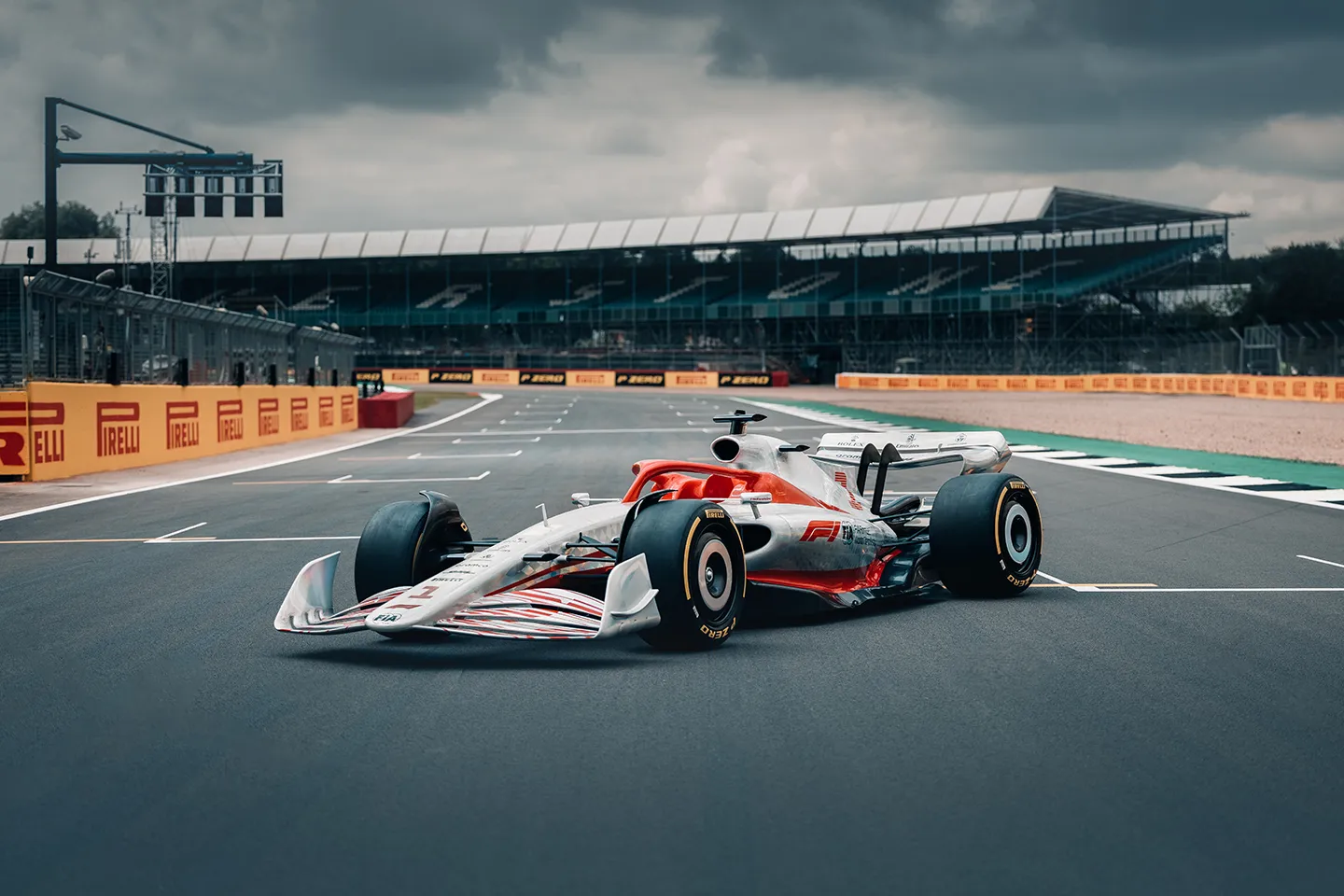
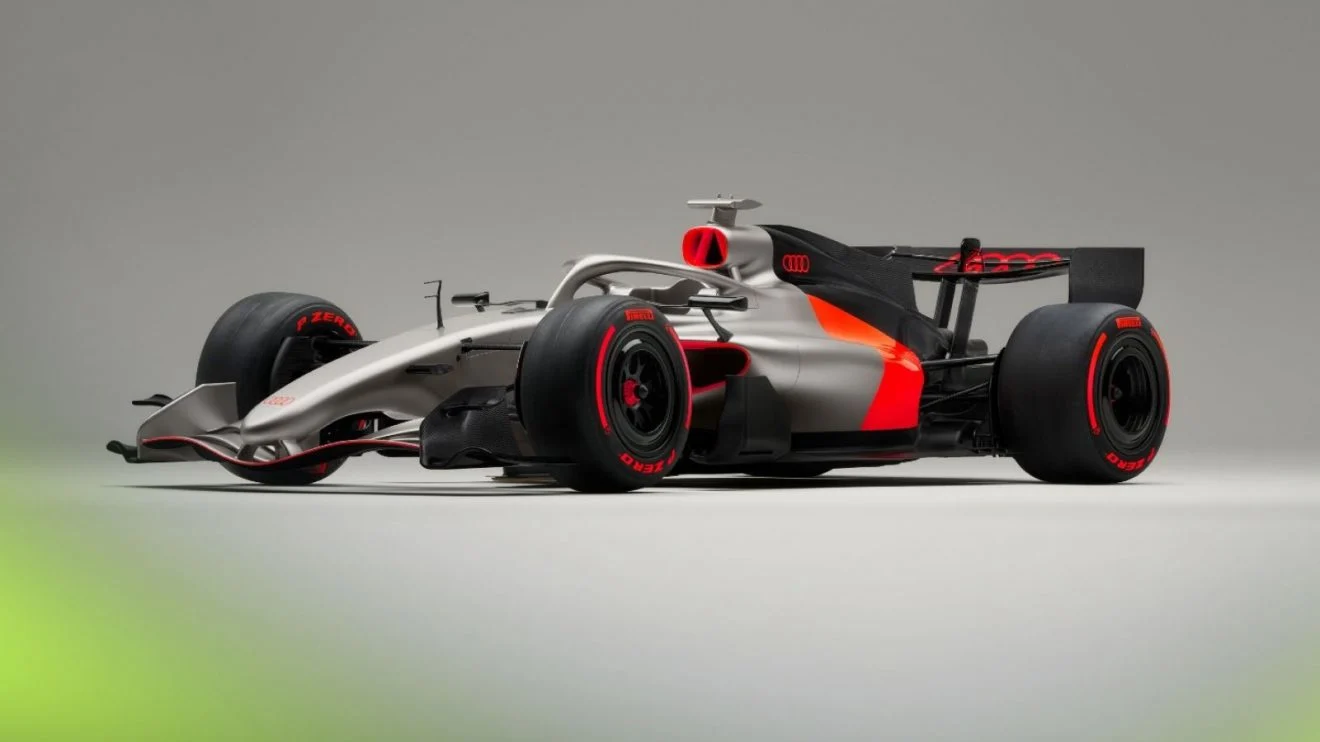
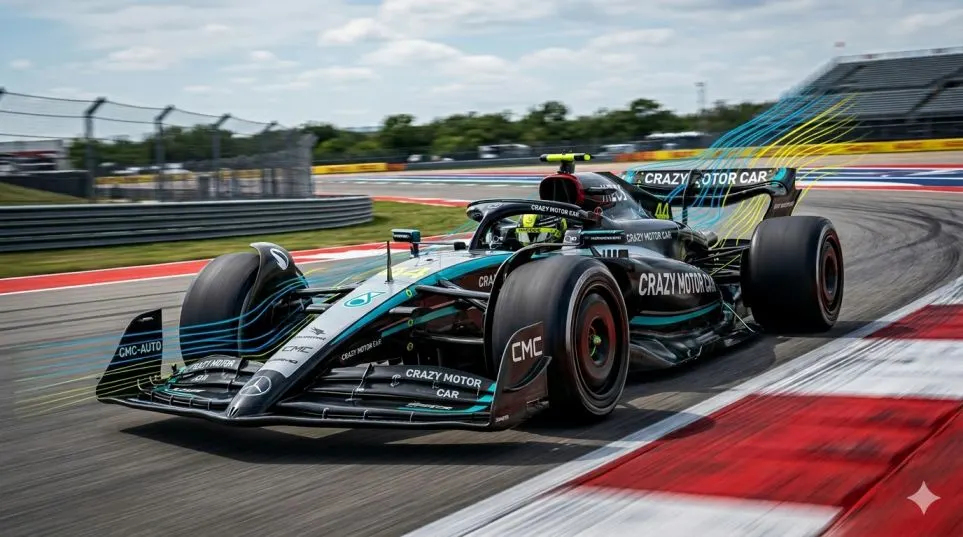
Aerodynamics is another huge run the show region. Wings and downforce are key words here. Wings thrust the car down onto the track, letting it corner speedier. But if a car takes after another as well closely, it loses this downforce and can't pass. Later rules changed the car plan to make less turbulent discuss behind them. This implies we see more near hustling and surpassing, which is much more fun to watch!
Making the Hustling Reasonable and Fun: The Donning Regulations
The history of Formula 1 rules isn't fair approximately the car. The wearing controls choose how the real race end of the week works. These are the race strategy rules everybody must follow.
One celebrated run the show is the DRS (Drag Decrease Framework). On certain straight parts of the track, a driver can open a fold on the raise wing. This decreases discuss resistance and gives them a speed boost to offer assistance them pass the car ahead. It's a apparatus to advance more energizing battles.
Pit halt technique is moreover represented by rules. There's a least time a car must be stationary for a tire alter. Groups must moreover utilize at slightest two diverse sorts of dry-weather tires amid a race. This powers groups to think and arrange, including a layer of strategy.
Even things like the beginning network method and hail implications (like the yellow hail for peril) are all carefully composed in the rulebook. These competition rules guarantee each group and driver plays the same game.
The Rulemakers: Who Chooses the Rules?
So, who composes this gigantic rulebook? The work has a place to the FIA (Fédération Internationale de l'Automobile). Think of them as the officials and legislators of worldwide motorsport. They work with the groups to make and upgrade the Equation 1 administering body regulations.
The FIA's objective is to adjust competition, security, and fetched. They run the specialized review handle to check each car fits the rules. They too hand out punishments if rules are broken. It's a intense work, but it keeps the wear honest.
Famous Rules That Changed Everything
Some rules had a greater affect than others. Let's see at a few essential F1 direction changes.
- The 2009 Run the show Update: After a long time of one group ruling, unused rules totally overhauled the cars. They presented greater front wings and smaller raise wings to progress surpassing. It completely blended up the order!
- The 107% Qualifying Run the show: A driver must set a lap time inside 107% of the quickest time in the to begin with portion of qualifying. This qualifying organize history run the show guarantees as it were cars that are quick sufficient and secure sufficient make it to the race.
- The Budget Cap: This is a exceptionally unused and vital run the show. It limits how much cash a group can spend in a year. The objective is to level the playing field so littler groups can compete with monsters like Ferrari and Mercedes.
Read More:- Formula 1 Austrian Grand Prix
Looking Ahead: The Future of F1 Rules
The history of Formula 1 rules appears us the wear never stands still. The future of F1 directions is continuously being planned.
The another huge center is on making the don more economical. Rules will thrust for indeed more proficient motors and conceivably completely feasible powers. The objective is for F1 to have a net zero carbon impression by 2030. The rules will moreover keep advancing to guarantee the hustling remains near, unusual, and exciting for fans everywhere.
Frequently Inquired Questions (FAQs)
Q: Why do F1 rules alter so often?
A: They alter to make the wear more secure, more attractive, and more energizing. As innovation progresses, rules must adjust. The objective is continuously to make incredible dashing for the fans.
Q: What is the most unusual run the show in F1 history?
A: One amusing ancient run the show was the boycott on mid-race refueling from 2010 to 2016. It was implied to spare fetched and progress security, but it driven to a few exceptionally overwhelming, moderate cars at the begin of races! Refueling has since returned beneath exceptionally strict security conditions.
Q: How are modern rules tested?
A: The FIA employments computer reenactments and some of the time tests with more seasoned cars. They moreover have long discourses with all the groups some time recently a modern run the show is at long last concurred upon and included to the book.
Q: Can a group be kicked out for breaking rules?
A: Yes, but it's uncommon. More often than not, groups get punishments like fines, misfortune of championship focuses, or beginning a race from the back of the framework. Genuine rule-breaking can lead to preclusion from an whole championship.
Q: Do drivers have a say in the rules?
A: Best drivers are frequently inquired for their supposition, particularly on security and what makes great dashing. Their encounter is exceptionally profitable to the rulemakers.
Expert Insight
As previous F1 race executive Michael Masi once famous, "The rulebook is a living record. Its reason isn't to smother the wear, but to give a system where competition, development, and most imperatively, driver security, can all flourish together." This truly entireties up the whole mission behind the history of Formula 1 rules.